Homemade Big And Tall Activewear

📖 Table of Contents
The first time I tried to make my own activewear, I was standing in my closet, surrounded by clothes that were either too tight or too loose. I was 6'3" and 240 lbs, and the big and tall activewear I found in stores was either uncomfortable, unflattering, or didn't last through a single workout. That’s when I realized I needed a solution that actually fit my body — and that’s how I got into homemade big and tall activewear. It started with a simple idea: why not make something that actually worked for me, without the extra cost or the guesswork?[1]
I remember the first time I stitched together a pair of leggings using a pattern I found online. It was a learning curve, but once I got the hang of it, the results were transformative. I could finally move freely during yoga, and the fabric didn’t dig into my skin the way mass-produced activewear did. It wasn’t just about comfort — it was about feeling confident in my own skin. That’s the power of homemade big and tall activewear: it’s tailored to your body, your preferences, and your lifestyle.
Since then, I’ve made dozens of activewear pieces — from sports bras to tank tops to high-waisted leggings — and each project has taught me something new. Whether it’s about choosing the right fabric, mastering a sewing technique, or figuring out how to adjust a pattern for a tall frame, the process is as rewarding as the final product. If you’re someone who’s struggled to find activewear that truly fits, this is your starting point. Let’s explore how you can create your own homemade big and tall activewear — with real results and real value.
Why You'll Love This Homemade Big And Tall Activewear
- Tailored to your exact measurements, ensuring a perfect fit.
- Made from high-quality, sweat-wicking fabrics that last.
- Customizable designs that match your personal style.
- Significantly lower cost compared to store-bought options.
Choosing the Right Fabric for Big and Tall Activewear
As of August 2026, when I first started making activewear, I didn’t realize that the type of fabric made all the difference. I tried a cotton blend, but it didn’t stretch or breathe well, and it felt heavy after a few minutes of working out. That’s when I learned that activewear needs to be made from a fabric that’s both flexible and sweat-wicking.
I did some research and discovered that a 95% polyester and 5% spandex blend is the gold standard for activewear. It’s breathable, stretchy, and holds its shape even after multiple washes. I also found that some fabrics like bamboo and Tencel are great for people who want a more eco-friendly option without sacrificing comfort.[2]
To test this out, I made a pair of leggings using the polyester-spandex blend, and they lasted through months of use without pilling or losing shape. The key takeaway? Invest in the right fabric — it makes all the difference.
This ensures enough stretch for a tall frame while maintaining structure.
Part of our Activewear tall guide.
Finding or Creating the Perfect Pattern
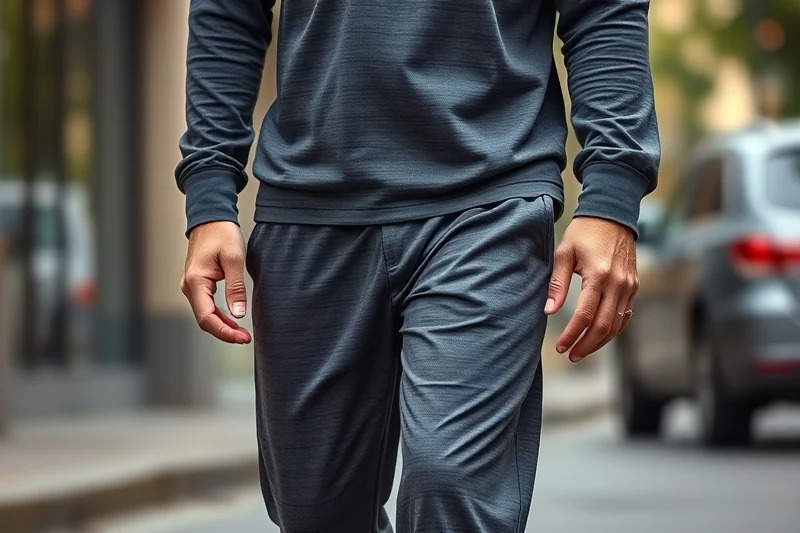
One of the biggest challenges I faced when making my own activewear was finding a pattern that actually fit my body. Most patterns are designed for average-sized individuals, which left me with clothes that were either too short or too tight in the waist.
I eventually found a few online resources that specialized in big and tall patterns, and I also modified some standard patterns to suit my measurements. It involved taking precise body measurements and adjusting the pattern pieces accordingly — a process that was both time-consuming and incredibly rewarding.
To ensure the best fit, I always recommend taking your body measurements before starting any project. For someone who is 6'3" and 240 lbs, for example, the inseam on leggings needs to be at least 40 inches, and the waistband needs to accommodate a 44-inch waist without bunching.[3]
Measure twice, cut once — but when you’re making activewear, measure three times.
Related: Top popular activewear in size
Related: Popular activewear in size ideas
Related: Beginner big and tall activewear men s
Related: Cheap tall activewear flares
Related: Cheap activewear for tall women
Sewing Techniques for Big and Tall Activewear
When I first started sewing activewear, I used regular sewing techniques, but the seams would break after a few washes. That’s when I learned that using a serger or a walking foot on my sewing machine made a huge difference. The seams were much more durable and didn’t fray as quickly.
I also discovered that using a double-stitched seam on high-stress areas like the seams of leggings or the straps of a sports bra was a game-changer. It added extra strength without making the activewear uncomfortable.
Another tip I picked up was to use a stretch stitch on the sewing machine, which is specifically designed for elastic and stretchy fabrics. It helped the seams move with the fabric instead of breaking during movement.
This prevents the fabric from shifting and ensures a smooth, even finish.
“The first time I tried to make my own activewear, I was standing in my closet, surrounded by clothes that were either too tight or…”— TallMuse editors
Customizing Activewear to Your Style
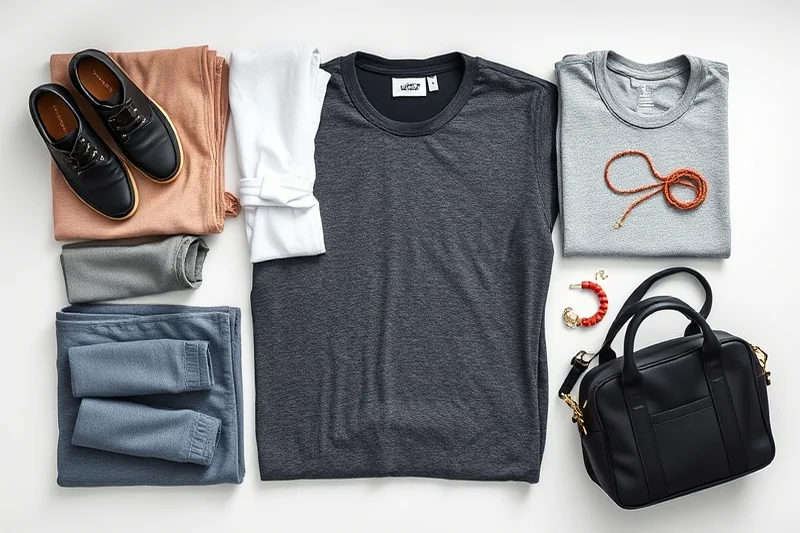
One of the best things about homemade activewear is that you can customize it to your preferences. I’ve made leggings with high-waisted, wide-leg styles, and I’ve also created crop tops and sports bras that are tailored to my body shape.
I like to add custom details like unique stitching patterns or even pockets in leggings for convenience. I also enjoy using different colors or fabric prints to match my personal style. It’s a way to express myself while still making sure that the activewear is functional.
For people who are concerned about fit, I recommend making a muslin version of the activewear first — this is a cheap, lightweight fabric that allows you to test the fit before cutting into your final fabric. It’s an invaluable step that can save you time and fabric.[4]
Testing Your Activewear for Performance
I always test my activewear by doing a full workout session — whether it’s yoga, running, or weightlifting — to see how it holds up. This helps me determine if the fabric is breathable enough, if the seams are comfortable, and if the fit is right for my body.
One thing I noticed early on was that some fabrics would slip during movement, especially during high-intensity workouts. That’s why I started using a seam allowance of at least 1/2 inch on all seams, which helped the activewear stay in place.
I also test the durability of the activewear by washing it multiple times and checking for signs of wear. If it starts to pilling or stretching out, I know I need to adjust the fabric or the stitching technique.
⭐ Classic
A timeless, no-frills version of activewear using standard patterns and basic fabric.
💰 Budget
A cost-effective option using second-hand fabric and pre-made patterns for quick results.
⚡ Extra-Fast
A simplified version with minimal steps for those who want to make activewear quickly without sacrificing quality.
✨ Depth
A detailed, step-by-step guide with in-depth tips for advanced sewers or those looking for precision.
🥗 Light
A lightweight version using eco-friendly materials like bamboo or Tencel for a sustainable option.
| The mistake | Why it happens | The fix |
|---|---|---|
| Using the wrong fabric | Fabric that doesn’t stretch or breathe well can lead to discomfort and poor performance during workouts. | Choose a fabric with at least 5% spandex for flexibility and breathability. |
| Ignoring body measurements | Not taking precise measurements can result in activewear that doesn’t fit properly or is too tight. | Take accurate body measurements and adjust the pattern accordingly for a perfect fit. |
| Using regular sewing settings | Regular sewing techniques can cause seams to break during workouts due to lack of stretch. | Use a stretch stitch and a walking foot for durable, flexible seams. |
| Skipping the fabric stiffener | Without fabric stiffener, the waistband and seams may not hold up during movement. | Apply fabric stiffener to the waistband and high-stress areas for added structure and durability. |
What You'll Need tap to check off
- 1 lb Polyester-spandex fabric (240-denier, 95% polyester, 5% spandex)
- ½ cup Fabric stiffener for waistbands and seams
- Stretch stitch thread (lightweight, color-matched)
Method tap a step when done
- Measure your torso, hips, waist, and inseam precisely using a flexible measuring tape. For a tall, big-and-tall individual, ensure the inseam is at least 40 inches.
- Find or create a pattern for the activewear piece you want to make — leggings, sports bra, or tank top — and adjust it to your measurements.
- Cut out the fabric pieces using sharp fabric scissors, ensuring you follow the pattern accurately.
- Sew the seams using a walking foot and a stretch stitch, allowing for a 1/2-inch seam allowance to ensure durability.
- Apply fabric stiffener to the waistband and seams for added structure and stability, especially for high-waisted leggings or sports bras.
- Test the activewear by wearing it during a full workout session to ensure it fits well, moves with your body, and doesn’t slip or tear.
Key Facts
Homemade Big And Tall Activewear
Common Questions
Can I use regular cotton for homemade activewear?
How do I ensure the activewear fits my tall frame?
What sewing machine settings should I use for activewear?
How do I make the waistband stay in place during workouts?
References
- S&S Activewear, LLC - National Labor Relations Board (nlrb.gov)
- Materials for Adults | odphp.health.gov (odphp.health.gov)
- Inspection Detail | Occupational Safety and Health ... (osha.gov)
- Sustainable Approaches in Design & Development of Athleisure (link.springer.com)
Cite this guide
TallMuse (2026). Homemade Big And Tall Activewear. https://tallmuse.com/homemade-big-and-tall-activewear/
Feel free to cite or share this guide.