Is Shirt Sizes
📖 Table of Contents
There's something oddly satisfying about holding a shirt in your hands, feeling the weight of the fabric, the crispness of the collar, the way the hem falls just right. It's a small moment, but one that makes me think: Is shirt sizes even worth it? I used to buy the same size every time, assuming it would fit the same way. But I've learned that shirt sizes are more than just a number—they're a puzzle piece in your wardrobe that, when solved, can transform how you dress.
I remember the first time I bought a shirt that was two sizes too small. It was a sleek, tailored piece from a brand I trusted, and I was thrilled until I tried it on. The sleeves were too tight, the torso too short, and the collar was practically choking me. That moment was a wake-up call: shirt sizes are not a one-size-fits-all proposition. Whether you're shopping for a casual t-shirt or a formal dress shirt, understanding the nuances of shirt sizes can make all the difference in your confidence and comfort.[1]
In my years as a fashion editor, I've seen so many people struggle with shirt sizes. Some are confused by the differences between US, UK, and EU sizing, while others can't figure out why a shirt that looks perfect on the hanger falls flat on their body. But here's the truth: shirt sizes are a powerful tool in your fashion arsenal. When used correctly, they can help you build a wardrobe that's not only stylish but also perfectly tailored to your body.
Why You'll Love This Guide to Shirt Sizes
- You'll learn how to find the perfect fit for your body type, no matter your size.
- You'll discover how to read size charts from different brands and regions.
- You'll understand how shirt sizes affect your overall style and comfort.
- You'll avoid common mistakes that lead to ill-fitting shirts.
The Hidden Truth Behind Shirt Sizes
As of October 2026, I used to think that shirt sizes were straightforward, but I quickly realized that they vary widely between brands, countries, and even collections within the same brand. For instance, a size medium in one brand can be a size large in another. This inconsistency is a common issue that many people face, especially when shopping online or internationally.
What makes shirt sizes even more complex is the difference in fit styles. Some brands offer a tailored fit, while others go for a more relaxed, oversized look. When I first tried on a shirt labeled as 'slim fit,' I was surprised to find that it clung to my body in a way I hadn’t expected. It turned out that the brand's definition of 'slim' was much different from what I had anticipated.
To avoid confusion, it's crucial to understand the fit terminology and how it aligns with your body shape. For example, if you have a broader torso, a 'regular' fit might be more comfortable than a 'slim' one. I’ve learned to check the brand’s size guide and, when possible, look for customer reviews that mention the fit. This way, I can make more informed choices and avoid buying shirts that don’t suit me.
Look for terms like 'slim fit,' 'regular fit,' or 'oversized' on the product description. These indicate how the shirt will sit on your body and can help you find the best fit.
Part of our Tall women s fashion fit first fit sizing guides guide.
The Importance of Body Measurements
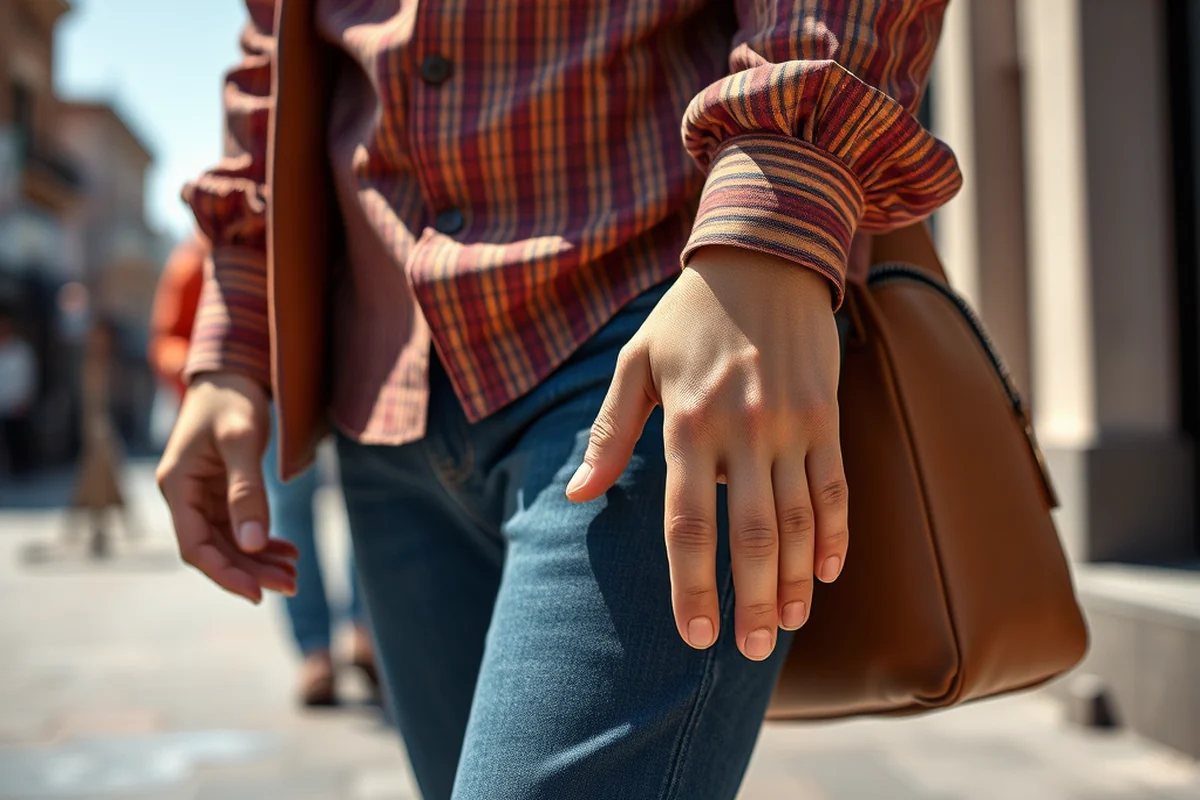
I used to rely solely on the brand’s size chart, but I quickly realized that it didn’t always account for my unique body proportions. For example, I have a slightly broader chest than average, which means that a shirt that fits well in the torso might be too tight around the shoulders. That’s when I decided to start taking my own measurements.
Taking precise measurements of your chest, waist, and sleeve length has made a world of difference in how I shop for shirts. I now know that my ideal shirt size isn’t just about the brand’s guidelines—it’s also about my own proportions. For instance, a shirt that fits perfectly on the hanger might not be the best choice if it’s too long in the sleeves or too tight around the waist.
To get accurate measurements, I use a soft measuring tape and measure my chest at the fullest point, my waist at the narrowest, and my sleeve length from the shoulder to the wrist. These measurements help me cross-reference the brand’s size chart and find the best fit for my body.
Measure your body, not the hanger.
Related: Easy tall women s fashion fit first guides
How to Read a Size Chart
I remember the first time I looked at a size chart and was completely confused by the numbers. For example, one brand listed sizes in inches, while another used centimeters. Without understanding how these measurements translate to my own body, I was left guessing.
To avoid confusion, I now look for a size chart that includes both inches and centimeters, as this makes it easier to compare measurements across brands. I also pay attention to the fit categories, such as 'slim fit' or 'regular fit,' which can affect how the shirt feels on your body. For example, a slim fit might be more suitable for a smaller frame, while a regular fit might be better for someone with a broader build.
One thing I’ve learned is that size charts can vary widely, even within the same brand. Some brands might have a more relaxed fit in their 'regular' size, while others might offer a more tailored fit. This is why it’s crucial to read the size chart carefully and, if possible, compare it with customer reviews that mention the fit.
Look for fit categories like 'slim,' 'regular,' or 'oversized' in the product description. These can help you determine how the shirt will sit on your body and whether it’s the right fit for your frame.
“There's something oddly satisfying about holding a shirt in your hands, feeling the weight of the fabric, the crispness of the collar, the way the…”— TallMuse editors
Related: Best tall women s fashion fit first sizing
The Role of Fabric in Shirt Fit
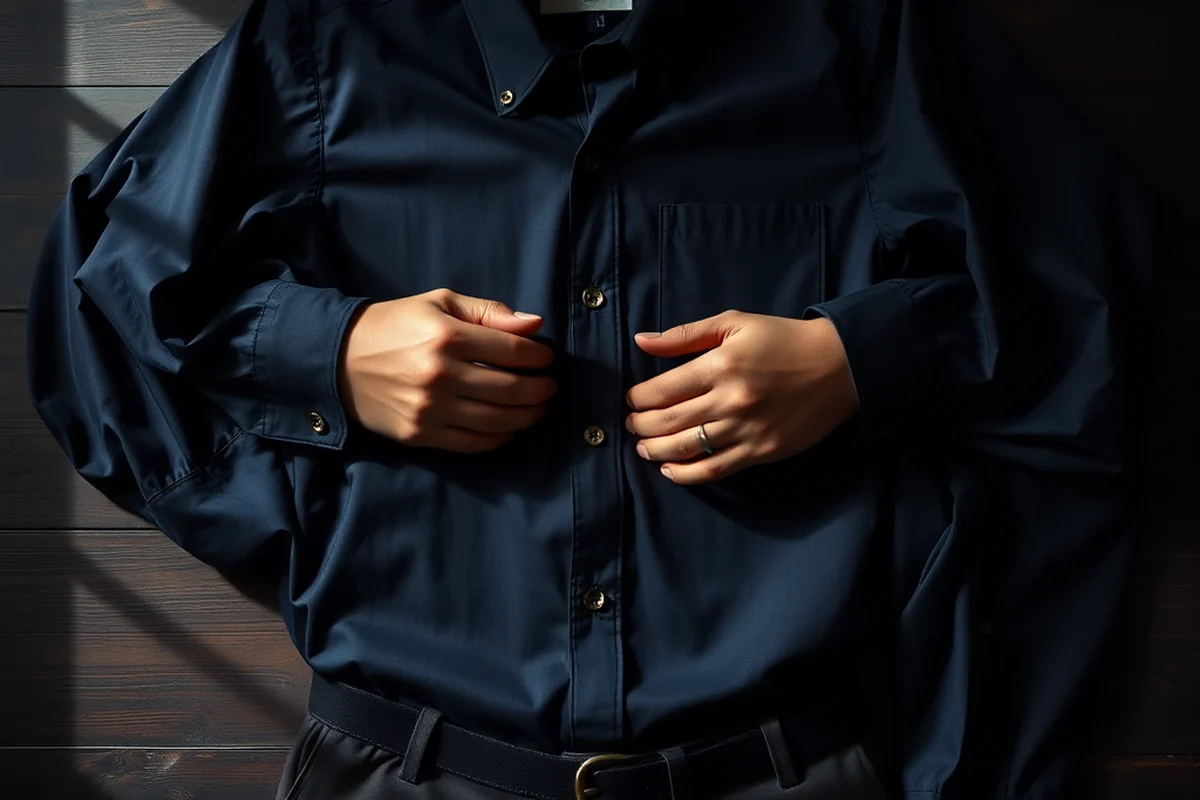
I used to think that the fabric was just a matter of preference—some people like cotton, others like linen. But I’ve learned that the fabric can also influence how the shirt fits. For example, a shirt made from 100% cotton might stretch over time, while a shirt made from a blend of cotton and polyester might retain its shape better.[2]
Fabric also affects the drape of the shirt. A shirt made from a heavier fabric, like a wool blend, might hang differently than a lighter fabric like a cotton-linen blend. I’ve found that heavier fabrics tend to be more structured, which can be great for formal shirts but less ideal for casual wear.
Another factor to consider is the weave of the fabric. For example, a finely woven fabric might feel more luxurious and provide a better fit, while a coarser weave might be less comfortable. I now look for fabric descriptions that mention the weave and weight, as these can give me a better idea of how the shirt will fit and feel on my body.
Related: Diy tall women s fashion fit first fit sizing guides
Understanding Fit Styles and Their Impact
I used to buy shirts based on the brand’s fit style, but I quickly realized that not all 'slim fit' shirts are the same. Some are more tailored, while others are more relaxed. I’ve found that the fit style can also depend on the occasion. For example, a slim fit might be more appropriate for a formal event, while a relaxed fit could be better for casual wear.
Another thing I’ve learned is that fit styles can vary depending on the brand’s philosophy. Some brands might offer a more structured fit, while others might prioritize comfort. I now look for fit style descriptions that align with my preferences. For instance, if I want a shirt that’s comfortable but still looks good, I might choose a 'regular' fit instead of a 'slim' one.
I’ve also learned that fit styles can be influenced by the fabric. For example, a shirt made from a stretchy fabric might be more forgiving in a 'slim' fit, while a non-stretch fabric might be more structured. This is something to consider when choosing a shirt that fits your body and your lifestyle.
Related: Budget tall women s fashion fit first guides
Why You Should Try Before You Buy
I used to be hesitant to try on shirts in person, especially when shopping online. But I’ve learned that trying on a shirt is the only way to know for sure how it will fit. For example, I once bought a shirt online that looked perfect on the hanger, but when I tried it on, it was way too long in the sleeves. This was a costly mistake that I could have avoided by trying it on first.
When shopping in person, I always make sure to try on the shirt and check how it fits. I pay attention to how the sleeves sit on my arms, how the collar fits around my neck, and how the shirt sits on my torso. I’ve found that even a shirt that looks good on the hanger can be uncomfortable when worn.
If I can’t try on the shirt in person, I look for customer reviews that mention the fit. I’ve learned that reviews from people with similar body types can be especially helpful. For example, if I have a larger frame, I look for reviews from people who mention that the shirt is roomy or comfortable for larger sizes.
Never trust the hanger—try it on.
Related: Tall women s fashion fit first fit sizing guides guide
How to Adjust a Shirt for a Better Fit
I used to think that if a shirt didn’t fit perfectly, it was just a bad purchase. But I’ve learned that there are a few simple adjustments you can make to improve the fit. For example, if the sleeves are too long, you can hem them to make them shorter and more comfortable.
Another adjustment I’ve made is to take in the sides of the shirt if it’s too loose around the torso. This is something I’ve done with a few shirts that were too big but still looked good on the hanger. I’ve found that taking in the sides can make the shirt feel more tailored and less baggy.
I’ve also learned that adjusting the collar can make a big difference in how a shirt fits. If the collar is too tight, it can be uncomfortable, but if it’s too loose, it can look sloppy. I’ve found that a small adjustment to the collar can make the shirt more comfortable and more stylish.
💰 Budget-Friendly Shirts
Find affordable shirts that still offer a good fit without breaking the bank.
💼 Workwear Shirts
Choose structured, tailored shirts that are perfect for professional settings.
👕 Casual Shirts
Opt for relaxed fits and soft fabrics that are perfect for everyday wear.
📏 Petite/Tall Adaptations
Look for shirts that are specifically designed for petite or tall body types to ensure a better fit.
🧳 Capsule Wardrobe Shirts
Select versatile, high-quality shirts that can be styled in multiple ways for a capsule wardrobe.
| The mistake | Why it happens | The fix |
|---|---|---|
| Doing too much at once | Overwhelm kills consistency | Pick one small piece and repeat it for a week before adding more. |
| Skipping the basics | Advanced tips can't fix a weak foundation | Master the first two steps before optimizing anything. |
Is Shirt Sizes
Common Questions
How do I know if a shirt is the right size for me?
What should I do if a shirt is too big?
What’s the difference between a slim fit and a regular fit shirt?
How can I make sure a shirt fits perfectly before buying online?
References
- South Dakota Early Learning Guidelines (dss.sd.gov)
- NYPD SPEC. #616 Rev., 06/19/25 NEW YORK CITY POLICE ... (a856-cityrecord.nyc.gov)
Cite this guide
TallMuse (2026). Is Shirt Sizes. https://tallmuse.com/is-shirt-sizes/
Feel free to cite or share this guide.