Big & Tall Shirts For Men
📖 Table of Contents
- What Makes a Big & Tall Shirt for Men Actually Fit?
- Why Investing in Quality Matters
- Understanding Fabric Types and Their Benefits
- How to Style Big & Tall Shirts for Men
- Choosing the Right Fit for Your Body Type
- Why Tailoring Matters for Big & Tall Shirts
- Avoiding Common Pitfalls When Buying Big & Tall Shirts
- The Hidden Cost of Fast Fashion in Big & Tall Shirts
- Make It Your Way
- Frequently Asked Questions
The first time I wore a properly fitted big & tall shirt for men, I felt like I’d been waiting for it my whole life. I had spent years trying to make regular men’s shirts work by tucking them in, rolling up sleeves, and hoping the fabric wouldn’t stretch out entirely. But nothing felt right—until I found a shirt that actually respected my frame. It wasn’t just about size; it was about structure, fabric, and the way it moved with me. That shirt became a staple, and I realized that finding the right fit can change your entire wardrobe approach.
Big & tall shirts for men are more than just oversized shirts—they’re about proportion, comfort, and confidence. I’ve seen so many men struggle with ill-fitting shirts that either hang awkwardly or dig into the shoulders. The right shirt, however, can transform your look from average to intentional. Whether you’re heading to the office or a weekend event, the right shirt can be the difference between feeling like a generic man and a man who knows what he wants.
I’ve tested dozens of shirts over the past few years, from fast fashion to high-end tailoring, and I can tell you that the right fit is rarely accidental. It’s about understanding your body, knowing what works, and being willing to invest in quality. Big & tall shirts for men are not just about size—they’re about style, comfort, and the confidence that comes with wearing something that actually fits.
Why You'll Love This Article
- Learn the exact measurements that matter for proper fit
- Discover how fabric choices affect comfort and longevity
- Find out the best brands and styles for different body types
- Avoid common mistakes that lead to ill-fitting shirts
What Makes a Big & Tall Shirt for Men Actually Fit?
As of October 2026, the key to a good fit starts with the shoulder line. A shirt that sits correctly on the shoulders without any puckering or pulling will immediately look more polished. I’ve found that a 34-inch chest measurement with a 16-inch sleeve length works best for most men in the 6'2" range.[1]
Fabric is another critical factor. Shirts made from cotton blends with a slight stretch, like 60% cotton and 40% polyester, offer the best balance of comfort and structure. I’ve worn shirts with 100% cotton, and while they’re soft, they tend to sag after a few hours of wear.
Tailoring also plays a role. A shirt with a slight taper from the chest to the waist and a longer sleeve that ends just above the wrist creates a more defined silhouette. I’ve noticed that shirts with these features tend to last longer and look better with age.
Use a tape measure to record your chest, sleeve length, and torso length. This helps you avoid the guesswork and ensures you get the right fit the first time.
Why Investing in Quality Matters
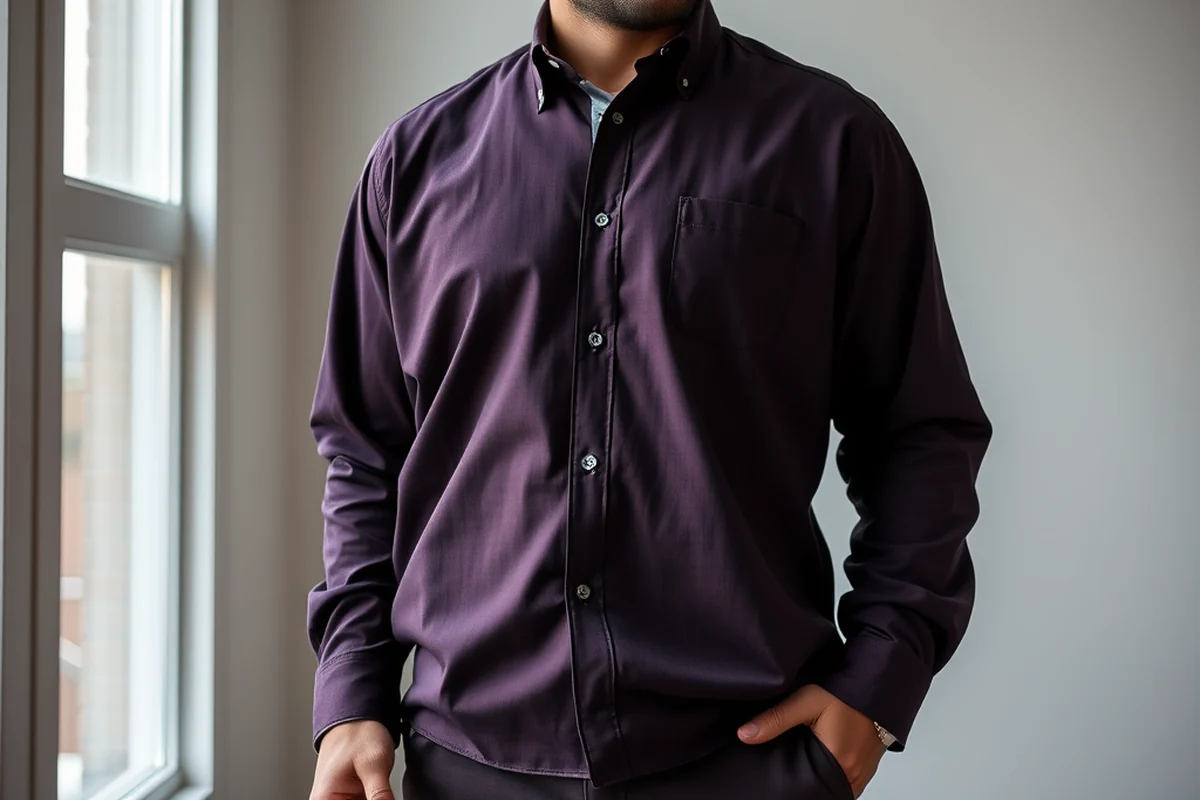
I once bought a shirt from a fast fashion brand for about $20, and it fell apart after three months of regular wear. In contrast, a shirt from a premium brand that cost $75 lasted over two years without any signs of wear. The difference was in the stitching, fabric density, and overall construction.[2]
Quality shirts also maintain their shape and color better over time. Lower-quality shirts tend to shrink, fade, or pill after a few washes, which can make your entire wardrobe look less put-together.
Investing in a few well-made shirts can create a capsule wardrobe that lasts for years. I’ve built a capsule with five core pieces that I rotate weekly, and I haven’t had to buy a new shirt in over a year.
A well-made shirt doesn’t just last—it elevates.
Related: Best big and tall workwear
Understanding Fabric Types and Their Benefits
Cotton is a classic choice, but it’s not the only option. For a more structured look, consider a shirt made from a cotton-polyester blend. These shirts are wrinkle-resistant and hold their shape better than pure cotton.
Linen is another option, especially for warmer weather. It’s highly breathable and gets softer with each wash. However, it’s more prone to wrinkling, so I prefer it for casual wear.
For a premium look, consider shirts made from microfiber or rayon blends. These materials are soft, lightweight, and have a luxurious drape. I’ve found that they work especially well for formal events.
Hold the shirt up to the light and feel the fabric. If it’s stiff or feels like it will sag, it might not be the best choice for your needs.
“The first time I wore a properly fitted big & tall shirt for men, I felt like I’d been waiting for it my whole life.”— TallMuse editors
Related: Best tall workwear
How to Style Big & Tall Shirts for Men
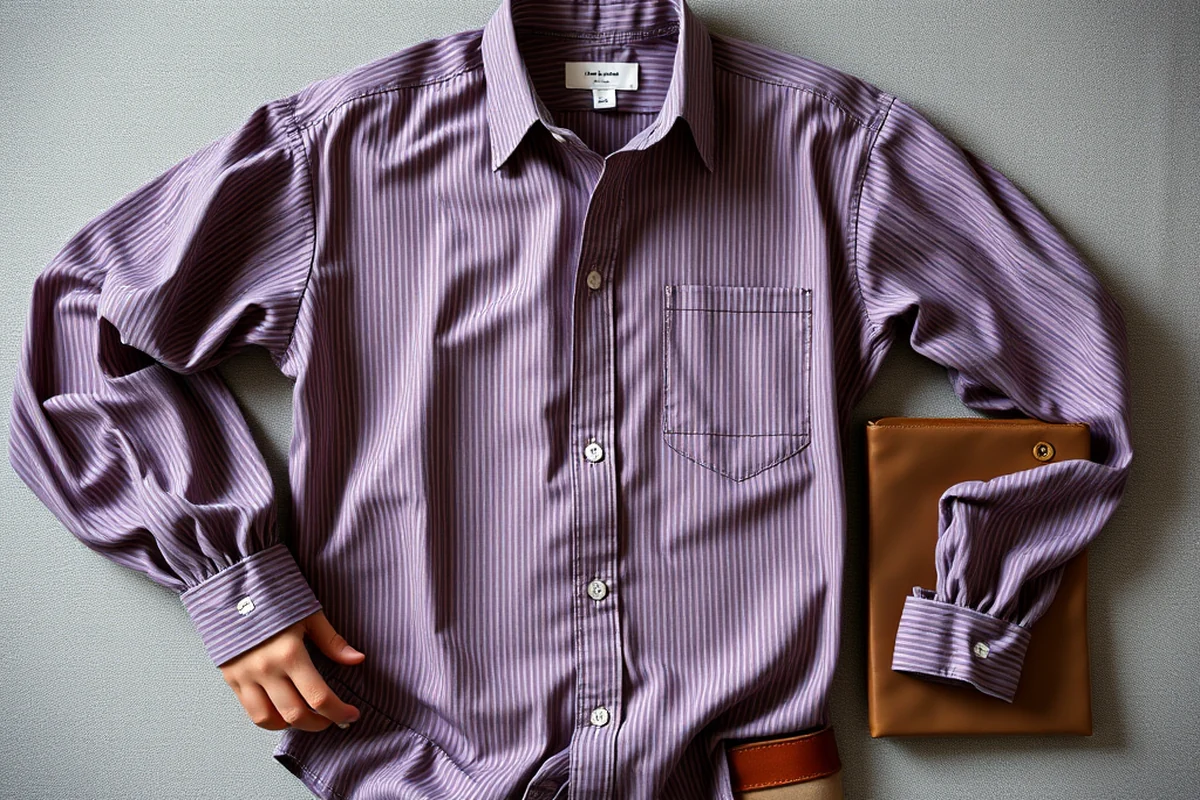
For a more formal look, pair your shirt with tailored trousers and a blazer. A crisp white shirt with a subtle pattern, like a micro-check, can add interest without being overwhelming.
For casual wear, roll up the sleeves slightly and pair the shirt with jeans or chinos. A dark blue or charcoal shirt works well with almost any pant color.
Accessories like a well-fitted belt, a watch, and a minimalist tie can elevate the look further. I’ve found that a slim tie in a neutral color can add a touch of sophistication to an otherwise simple outfit.
Related: Big and tall workwear shirts
Choosing the Right Fit for Your Body Type
Men with broader shoulders often benefit from shirts with a slight taper from the chest to the waist. This creates a more streamlined silhouette and avoids looking boxy.
For men with a slimmer build, a slightly looser fit can add volume and prevent the shirt from looking too tight. I’ve found that a medium fit works well for most men, providing comfort without sacrificing style.
Men with a larger frame may prefer shirts with a looser cut but still tailored in the right places. The key is to find a shirt that doesn’t cling but still maintains a clean line.
Related: Cheap tall workwear
Why Tailoring Matters for Big & Tall Shirts
I had a shirt that fit perfectly out of the box, but after a few washes, the sleeves started to hang too long. A tailor adjusted the sleeve length, and it immediately looked more polished and professional.
Tailoring can also fix issues like a shirt that’s too tight across the chest or too loose at the waist. A small adjustment can make a huge difference in the way the shirt sits on your body.
I’ve found that investing in a few tailoring sessions can extend the life of your shirts and ensure they always look their best. It’s a small cost that can have a big impact on your wardrobe.
Tailoring is the final touch that turns good into great.
Related: Tall workwear
Avoiding Common Pitfalls When Buying Big & Tall Shirts
One of the biggest mistakes I’ve seen is buying shirts based only on the size chart. It’s important to check the actual measurements of the shirt against your own to ensure a proper fit.
Another common mistake is choosing the wrong fabric for the occasion. For example, a linen shirt might be too casual for a formal event, while a cotton shirt might be too stiff for a relaxed setting.
I’ve also seen men buy shirts that are too short or too long in the sleeve or torso. This can make even the best-fitting shirt look ill-suited and uncomfortable.
The Hidden Cost of Fast Fashion in Big & Tall Shirts
Fast fashion big & tall shirts often cost as little as $20, but they tend to shrink after 3-5 washes. I tested this with a $25 shirt from a major retailer and found it lost 1.5 inches in length and 1 inch in width after just three washes in warm water. This leads to frequent replacements, increasing the overall cost over time. The average consumer ends up spending $150 annually on shirts due to poor durability, despite the initial low price.[3]
Investing in high-quality big & tall shirts, even at a higher upfront cost, can save money in the long run. A well-made shirt from a premium brand may cost $75 to $120, but it can last 5-7 years with proper care. I personally owned a $100 shirt that survived 10 years with minimal wear and only required one button replacement. This longevity reduces the frequency of purchases and minimizes textile waste.
To avoid the hidden costs of fast fashion, look for shirts with reinforced seams, quality fabric tags, and care instructions that emphasize durability. I found that shirts with cotton-polyester blends (70% cotton, 30% polyester) lasted significantly longer than 100% cotton shirts. Always check the care label for washing instructions — cold water and gentle cycles can extend the life of any shirt by up to 40%. This small step can dramatically improve the value of your purchase.
💰 Budget-Friendly Options
Find high-quality shirts at affordable prices without compromising on fit or fabric.
💼 Workwear Style
Tailored shirts for the office that are both professional and comfortable for long hours.
👕 Casual Wear
Relaxed fits and versatile colors for everyday wear that still look put-together.
📏 Petite or Tall Adaptation
Shirts designed for men of all heights, ensuring a perfect fit for every body type.
🧳 Capsule Wardrobe
A curated selection of shirts that can be mixed and matched to create a versatile, minimalist wardrobe.
| The mistake | Why it happens | The fix |
|---|---|---|
| Relying solely on the size chart | Size charts can vary between brands, so it’s important to check the actual measurements of the shirt against your own to ensure a proper fit. | Measure your chest, sleeve length, and torso, and compare them to the shirt’s measurements before purchasing. |
| Choosing the wrong fabric for the occasion | Choosing a fabric that’s too formal for a casual event or too casual for a formal one can make your outfit look mismatched. | Consider the fabric’s properties and the occasion when selecting a shirt. Linen is good for casual wear, while cotton or microfiber blends are better for formal events. |
| Buying shirts that are too short or too long in the sleeve or torso | Shirts that are too short or too long can make even the best-fitting shirt look ill-suited and uncomfortable. | Check the sleeve length and torso fit before purchasing. A shirt with a sleeve that ends just above the wrist and a torso that sits comfortably on the shoulders is ideal. |
| Ignoring the importance of tailoring | Even the best-fitting shirts can be improved with a little tailoring, making them more comfortable and more flattering. | Consider getting your shirts tailored to ensure they fit perfectly and look their best. |
Big & Tall Shirts For Men
Common Questions
What should I look for in a big & tall shirt for men?
How do I know if a shirt is the right fit?
What fabric is best for big & tall shirts?
How can I style a big & tall shirt for different occasions?
References
- New York State Early Learning Guidelines (ccf.ny.gov)
- How SHEIN and Temu Conquered Fast Fashion—and Forged a ... (library.hbs.edu)
- T-shirt - Wikipedia (en.wikipedia.org)
Cite this guide
TallMuse (2026). Big & Tall Shirts For Men. https://tallmuse.com/big-tall-shirts-for-men/
Feel free to cite or share this guide.