Women'S Business Casual Outfit
📖 Table of Contents
- What Defines a Women's Business Casual Outfit?
- How to Choose the Right Colors and Fabrics
- The Power of Layering
- Shoes and Accessories That Elevate the Look
- How to Build a Capsule Wardrobe
- How to Adapt Business Casual Outfits for Different Body Types
- Maintaining Your Business Casual Wardrobe
- Make It Your Way
- Frequently Asked Questions
There's a moment in the morning when you're standing in front of the mirror, staring at your closet. The question isn't 'What should I wear?' — it's 'What can I wear that won’t make me feel like I'm dressing for a different job?' That's where the 'women's business casual outfit' comes in. It's not just a phrase; it's a lifestyle choice that blends professionalism with comfort, and it's essential for women handling the modern workplace. Whether you're heading into a client meeting or a day of meetings with your team, the right business casual outfit can make you feel both put-together and ready to take on the day.
I remember the first time I stumbled into a business casual meeting wearing something I thought was 'smart' but was actually too formal. The fabric was stiff, the shoes were uncomfortable, and I spent the whole meeting shifting my weight and trying not to squirm. That was a lesson: 'business casual' isn't just about looking good — it's about feeling good. Over the years, I've learned that a well-curated business casual wardrobe is the key to confidence and comfort, especially when you're juggling multiple roles in your professional life.
Building a women's business casual outfit isn't about buying the most expensive items in the store — it's about knowing what works for your body, your job, and your personal style. It’s about investing in versatile pieces that can be mixed and matched to create multiple looks. A good business casual outfit should be functional, stylish, and, above all, make you feel like the best version of yourself — without the pressure of a full suit or the informality of jeans.
Why You'll Love This Guide to Women's Business Casual Outfit
- Discover how to build a capsule wardrobe that’s both practical and stylish for your daily grind.
- Learn the key pieces that can be mixed and matched to create 12 different outfits from just 5 core items.
- Save time and money by investing in timeless, versatile pieces that won't go out of style.
- Feel confident and comfortable without sacrificing professionalism or personal flair.
What Defines a Women's Business Casual Outfit?
As of October 2026, Business casual isn’t a one-size-fits-all category — it’s about finding the sweet spot between formal and informal. Think tailored blouses, structured dresses, and trousers that are fitted but not overly tight. Fabrics like wool, linen, and cotton blends are ideal because they’re breathable and maintain a polished look.
One of the most important aspects of a business casual outfit is the fit. A loose, baggy shirt or overly slouchy trousers can look lazy. On the other hand, a shirt that's too tight or a pant that’s too high on the waist can look unprofessional. Finding the right balance is key to creating an outfit that feels both comfortable and confident.
I’ve tested several looks over the years, and I’ve found that a tailored blouse paired with a well-fitted pencil skirt or tailored trousers is a go-to combination. It's professional enough for meetings but relaxed enough for long days in the office. The key is to avoid anything that feels too casual, like jeans or overly trendy accessories.
A tailored blouse is the foundation of a business casual outfit. Look for one with a subtle texture or a slightly structured collar to add polish.
Part of our Business casual guide.
How to Choose the Right Colors and Fabrics
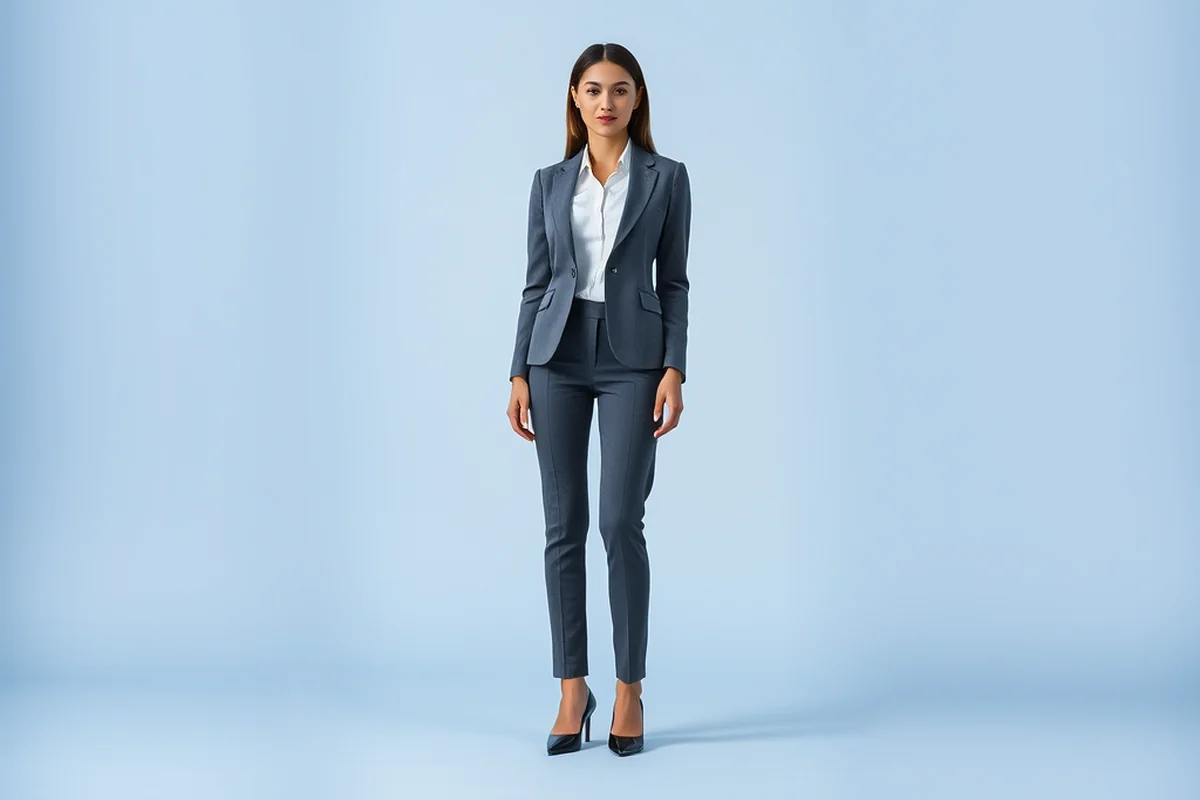
Neutrals like navy, gray, and beige are safe choices for business casual outfits, but don’t be afraid to add a pop of color with a scarf, belt, or shoes. The key is to keep the rest of the outfit simple and cohesive. Fabrics like wool, linen, and cotton blends are ideal because they're breathable and maintain a polished look.
I’ve found that sticking to a limited color palette helps streamline your wardrobe and makes it easier to mix and match pieces. If you’re unsure where to start, invest in a few staple colors like black, white, and navy. These can be paired with almost any other color or fabric without clashing.
Avoid overly bright colors unless you're confident they’ll work in your workplace. If you're not sure, opt for muted tones that are easy to pair with other pieces. The goal is to create a wardrobe that’s both functional and stylish, regardless of the occasion.
Color is a powerful tool — use it wisely.
Related: What is women s business casual attire
The Power of Layering
Layering is a great way to add interest to your outfit without overcomplicating it. A lightweight blazer over a blouse or a structured cardigan over a dress can instantly improve your look. It’s also a practical way to adjust your outfit for different temperatures or office environments.
I’ve found that layering with a blazer or cardigan is especially useful when transitioning from a meeting to a casual lunch or a networking event. It’s a subtle way to dress up a simple outfit without feeling overly formal. The key is to choose lightweight, breathable layers that don’t add bulk to your silhouette.
Another tip I’ve learned is to avoid layering too many pieces at once. A single layer, like a blazer or a cardigan, is enough to make a statement. Too many layers can make your outfit look cluttered and less professional.
Choose layers that add structure or texture without making your outfit feel too busy. A tailored blazer or a structured cardigan are excellent options.
“There's a moment in the morning when you're standing in front of the mirror, staring at your closet, and the question isn't 'What should I…”— TallMuse editors
Related: What is business professional attire men
Shoes and Accessories That Elevate the Look
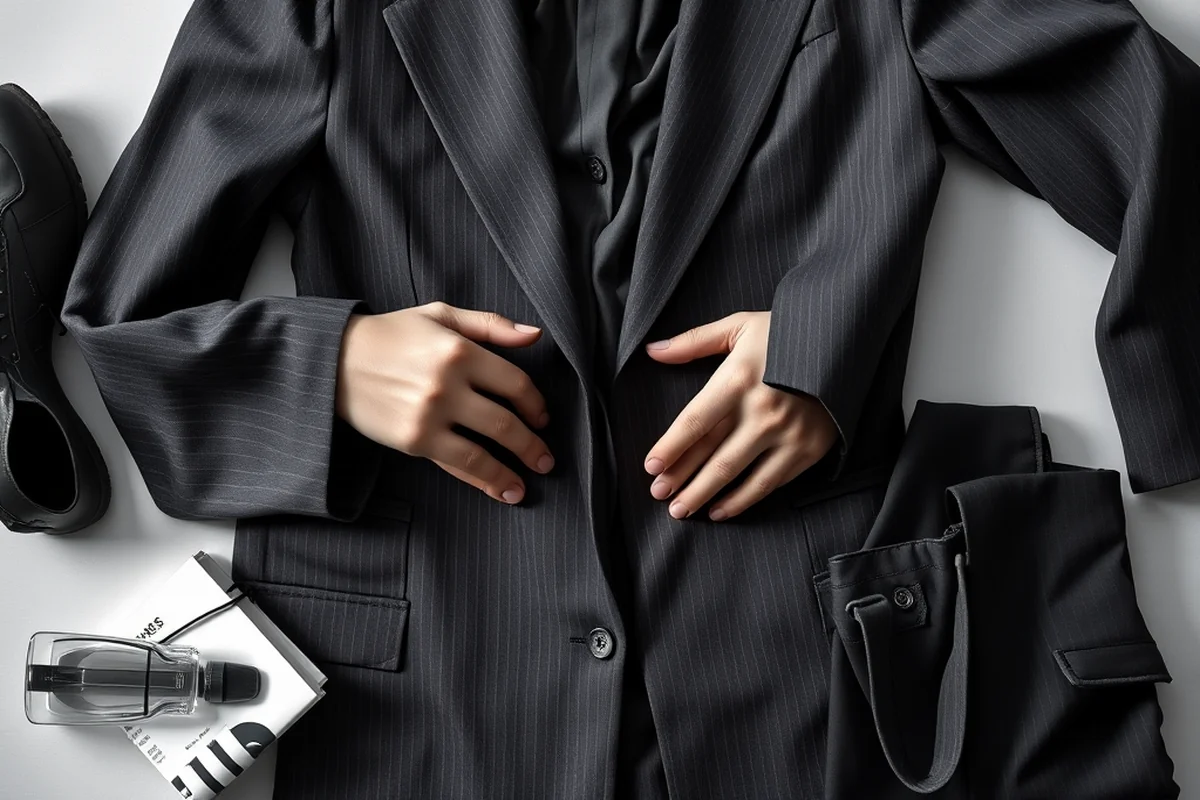
Shoes are often overlooked, but they play a crucial role in completing your business casual look. Avoid open-toe heels or overly casual sneakers. Instead, opt for low-heeled loafers, block heels, or flat shoes with a structured design. These options are both comfortable and professional.
Accessories should be minimal but impactful. A simple watch, a minimalist necklace, or a structured belt can improve your look without making it feel too dressed up. I’ve found that accessories like a sleek tote bag or a structured handbag are also essential for carrying your essentials while maintaining a polished appearance.
Avoid anything too flashy or overly ornate. A little goes a long way with accessories. The goal is to enhance your outfit, not distract from it. Choose pieces that reflect your personal style but also fit within the professional context of your workplace.
Related: What is men s business casual
How to Build a Capsule Wardrobe
Building a capsule wardrobe for business casual outfits starts with selecting a few high-quality, versatile pieces that can be mixed and matched. Think of it as a foundation for your wardrobe that can be adapted to different settings and seasons.
I’ve found that investing in a few core pieces — like a tailored blouse, a structured blazer, a pair of tailored trousers. A versatile dress — can create a capsule wardrobe that lasts for years. These pieces can be paired in different ways to create 12 different outfits from just 5 core items.[1]
The key to a successful capsule wardrobe is to focus on quality over quantity. It’s better to have a few well-made pieces that can be worn in different ways than to have a large collection of items that don’t work together. This approach not only saves time and money but also reduces the stress of deciding what to wear each day.
Related: What is smart casual women
How to Adapt Business Casual Outfits for Different Body Types
Every body type is different, and what works for one person may not work for another. The key is to find pieces that flatter your figure and make you feel confident. For example, if you have a pear-shaped body, a tailored blouse with a defined waist can help balance your silhouette.
I’ve found that high-waisted trousers, structured blazers, and A-line dresses can be great choices for a variety of body types. These pieces help create a more balanced look and can be styled to highlight your best features.
It's also important to focus on fit. A well-fitted outfit can make a huge difference in how you feel and how you’re perceived. Invest in pieces that fit well and make you feel like the best version of yourself — even if they’re not the most expensive options.
Tailoring is an investment in confidence.
Related: Golf bags for men
Maintaining Your Business Casual Wardrobe
Your business casual pieces should be cared for properly to ensure they last as long as possible. This means washing them according to the care label, avoiding harsh detergents, and storing them in a way that prevents wrinkles and damage.
I’ve found that dry cleaning certain pieces — like blazers or tailored trousers — helps maintain their shape and quality. For everyday items like blouses or dresses, washing them in cold water and hanging them to dry is usually sufficient.
It’s also important to take care of your shoes and accessories. Clean your shoes regularly, and store them in a dry place to prevent damage. With proper care, your business casual wardrobe can last for years and remain as stylish as the day you bought it.
💰 Budget-Friendly Business Casual
Create a stylish business casual wardrobe without breaking the bank by focusing on quality over quantity.
💼 Workwear-Ready Business Casual
A wardrobe tailored for the office that blends professionalism with comfort, perfect for long days at work.
👗 Casual Business Outfit
A relaxed take on business casual, ideal for informal meetings or days that require a more laid-back approach.
📏 Petite and Tall Adaptations
Tailored solutions for petite and tall women that ensure every piece fits perfectly and flatters the body.
🧳 Capsule Wardrobe for Business Casual
A curated selection of 5 core pieces that can be mixed and matched to create 12 different outfits.
| The mistake | Why it happens | The fix |
|---|---|---|
| Wearing overly casual clothing like jeans or t-shirts in a business casual setting. | These pieces are not appropriate for a professional environment and can make you appear unprofessional. | Opt for tailored pieces like blouses, structured dresses, or well-fitted trousers to ensure you look polished and professional. |
| Choosing the wrong shoes, such as open-toe heels or sneakers. | These types of shoes are not appropriate for a business casual setting and can make you look less professional. | Choose low-heeled loafers, block heels, or flat shoes with a structured design that match your outfit. |
| Over-accessorizing with flashy or overly ornate jewelry. | Too much jewelry can make your outfit look cluttered and unprofessional, especially in a business casual setting. | Keep your accessories minimal and choose pieces that enhance your look without distracting from your outfit. |
| Ignoring the importance of fit when selecting business casual pieces. | A poor fit can make even the best pieces look unflattering and unprofessional. | Invest in well-fitted pieces and consider tailoring if needed to ensure your outfit looks polished and flattering. |
Women'S Business Casual Outfit
Common Questions
What are the key pieces for a women's business casual outfit?
How do I choose the right color palette for a business casual outfit?
Can I wear jeans in a business casual outfit?
What shoes are best for business casual outfits?
References
- Business Casual For Women Summer (jfd.jacksonms.gov)
Cite this guide
TallMuse (2026). Women'S Business Casual Outfit. https://tallmuse.com/women-s-business-casual-outfit/
Feel free to cite or share this guide.