Homemade Popular Activewear In Size
📖 Table of Contents
- Choosing the Right Fabric for Homemade Activewear In Size
- Measuring for Perfect Fit in Homemade Activewear In Size
- The Importance of Proper Seam Allowance in Homemade Activewear In Size
- Designing Your Own Patterns for Homemade Activewear In Size
- Testing and Refining Your Homemade Activewear In Size
- Make It Your Way
- Frequently Asked Questions
- The Printable Style Guide
I remember the first time I tried to make my own activewear. I had just moved to a new city and needed something comfortable and stylish for my morning runs. I found a tutorial online that promised to show me how to create my own leggings at home using basic sewing skills. It sounded too good to be true, but I gave it a shot anyway. What I didn’t realize was how much time, patience, and precision it would take to get it right.
That first attempt was a disaster. The fabric bunched up in all the wrong places, the seams tore after a few washes. I ended up with a pair of leggings that looked more like a science experiment than a fashion statement. But instead of giving up, I went back to the drawing board. I researched better materials, watched tutorials from experienced sewers, and even bought a few essential tools that I hadn’t considered before. Slowly, I started to see progress.
Now, after several iterations and a few successful projects under my belt, I can confidently say that homemade activewear in size is not only possible. It’s also a rewarding and cost-effective alternative to buying expensive, mass-produced items. The key is in the right materials, precise measurements, and a bit of patience. If you're looking for a way to create your own stylish, high-quality activewear that fits perfectly, this guide is for you.
Why You'll Love This Guide to Homemade Popular Activewear In Size
- You can customize every detail to fit your body precisely.
- You’ll save money in the long run compared to buying pre-made activewear.
- You’ll gain confidence in your sewing skills with every successful project.
- Your activewear will be made from sustainable, eco-friendly materials.
Choosing the Right Fabric for Homemade Activewear In Size
As of August 2026, the first thing I learned was that not all fabrics are created equal. For activewear, you want something that stretches with you but still holds its shape. I tried using cotton at first, but it didn’t work—it was too stiff and didn’t allow for enough flexibility.
After some research, I discovered that spandex or lycra blends are the best options. These materials are stretchy and breathable, making them perfect for workouts. I tested several options and found that a 90% polyester and 10% spandex blend gave the best results in terms of comfort and durability.[1]
One of the most important factors I overlooked at first was the weight of the fabric. A heavier fabric makes the activewear feel more substantial and supportive, but it can also be uncomfortable in hot weather. I now use a medium-weight fabric that’s both breathable and supportive.
Always test the fabric before cutting. Stretch it in all directions to see how it behaves. A good fabric should stretch and return to its original shape without any permanent deformation.
Part of our Activewear tall guide.
Measuring for Perfect Fit in Homemade Activewear In Size
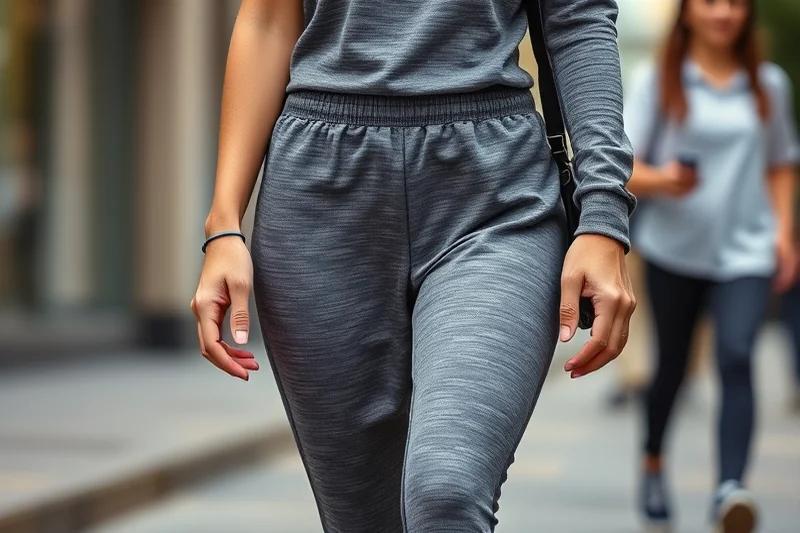
I used to rely on generic sizing charts, but they were never accurate enough. I realized that for homemade activewear in size, my body needed to be measured precisely, not just compared to standard sizes. I now use a flexible measuring tape and take notes of all key measurements, including waist, hips, inseam, and thigh circumference.
One of the most common mistakes I made was not taking into account the stretch of the fabric. I once made leggings that were too tight because I didn’t account for the stretch factor. Now, I always calculate for the fabric’s stretch by adding 10–15% to the measurements to give the garment room to move.[2]
The biggest breakthrough came when I used a garment that fit perfectly as a reference. I measured it and compared the numbers to my own body to create a better template. This method worked wonders and saved me from countless hours of trial and error.
Measure twice, cut once—especially when making homemade activewear in size.
Related: Small tall activewear tips
Related: Tall activewear comparison
Related: Simple activewear for big and tall men
Related: Designer activewear tops guide
Related: Diy tall activewear tips
The Importance of Proper Seam Allowance in Homemade Activewear In Size
I used to sew with a 1/4 inch seam allowance, thinking it was enough. But I quickly discovered that my seams were tearing after just a few wears. I learned that for homemade activewear in size, a 1/2 inch seam allowance is better because it provides more strength and stability.
Another thing I overlooked was the type of stitch used. I found that using a zigzag stitch on the seams helped prevent the fabric from fraying and made the seams more durable. This was a game-changer for my activewear projects.
I also learned that using a walking foot on the sewing machine helped distribute the fabric evenly, making it easier to sew through multiple layers of fabric without puckering. This is especially important when working with stretchy materials like spandex.
Always use a 1/2 inch seam allowance for homemade activewear in size. This ensures your seams can handle the movement and stress of daily use.
“I remember the first time I tried to make my own activewear.”— TallMuse editors
Designing Your Own Patterns for Homemade Activewear In Size
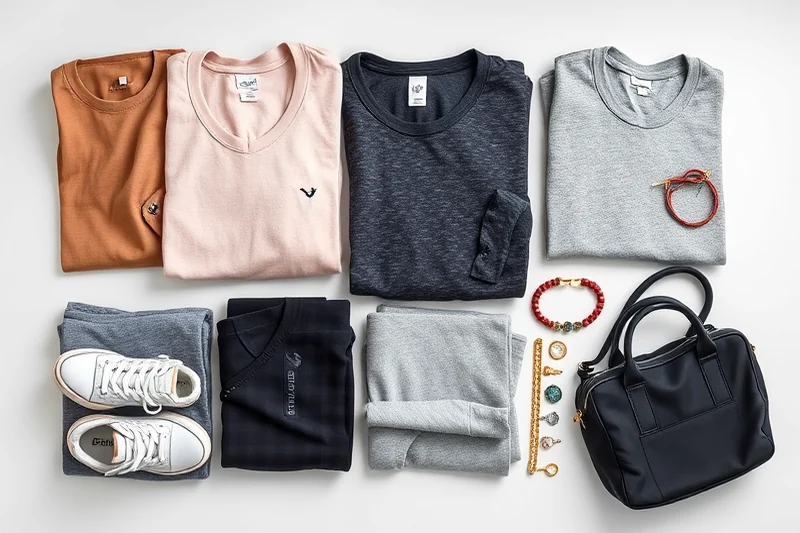
I used to rely on pre-made patterns, but they never quite fit right. I decided to take the plunge and start creating my own patterns from scratch. It was a learning curve, but once I got the hang of it, it became much easier.
The first step in creating a pattern is to take accurate measurements of your body. I now use a flexible measuring tape and record every measurement, including inseam, hip, and thigh circumference. These measurements form the foundation of the pattern.
Once the measurements are taken, I transfer them to a large piece of paper and sketch the outline of the garment. I used to make mistakes by not accounting for the fabric’s stretch, but now I always calculate for it by adding 10–15% to the measurements.[3]
Testing and Refining Your Homemade Activewear In Size
After sewing my first pair of leggings, I was excited to try them on. But they didn’t fit right—they were too tight around the hips and too loose around the waist. I realized that testing the garment on my body was the only way to know if it was going to work.
I now always test the garment on my body before cutting the final pieces of fabric. This allows me to see any issues in real-time and make adjustments before sewing the final garment. I’ve found that this method has saved me a lot of time and frustration.
One of the most important things I learned during the testing phase was the importance of washing the garment before wearing it. Some fabrics can shrink or change shape after the first wash. I now always wash the garment in cold water and hang it to dry to ensure it maintains its shape.
⭐ Classic
A timeless approach using standard materials and techniques for a reliable fit.
💰 Budget
Use affordable fabric options and simplify patterns to reduce costs significantly.
⚡ Extra-Fast
A quick method using pre-made patterns and minimal customization for faster results.
✨ Depth
A more intricate approach with detailed design elements and premium fabric choices.
🥗 Light
A minimalist version focusing on comfort and breathability with lighter-weight fabric.
| The mistake | Why it happens | The fix |
|---|---|---|
| Using the wrong fabric | This can lead to discomfort, poor fit, and a lack of durability in the activewear. | Always test the fabric before cutting and choose a spandex or lycra blend for the best results. |
| Not measuring accurately | Inaccurate measurements can result in activewear that doesn’t fit properly or is uncomfortable to wear. | Take precise body measurements and use them as a reference when creating your pattern. |
| Ignoring seam allowance | Insufficient seam allowance can lead to weak seams that tear easily during use. | Always use a 1/2 inch seam allowance when making homemade activewear in size. |
| Not testing the garment | Failing to test the activewear before finalizing the design can result in a poor fit and uncomfortable wear. | Always test the activewear on your body before cutting the final pieces of fabric. |
What You'll Need tap to check off
- 1 lb Fabric (polyester/spandex blend)
- ½ cup Fabric stabilizer
- Sewing thread (matching color)
Method tap a step when done
- Lay out the fabric on a flat surface and cut it to the desired dimensions for your activewear pieces.
- Use a ruler and fabric marker to mark the seam allowances and any necessary notches for the pattern.
- Sew the seams using a 1/2 inch seam allowance and a zigzag stitch for added durability.
- Trim any excess fabric from the seams and press the seams flat using a steam iron.
- Insert the stabilizer into the seams to add structure and support.
- Finally, test the activewear on your body and make any necessary adjustments before finalizing the fit.
Key Facts
Homemade Popular Activewear In Size
Common Questions
What is the best fabric for homemade activewear in size?
How long does it take to make homemade activewear in size?
Can I use a regular sewing machine to make homemade activewear in size?
What is the most common mistake when making homemade activewear in size?
References
- Staying Active at Any Size - NIDDK (niddk.nih.gov)
- Companion Animal Nutrition Support Service | Veterinary ... (vmc.vet.osu.edu)
- Experimental evidence that browsing for activewear lowers explicit body ... (sciencedirect.com)
Cite this guide
TallMuse (2026). Homemade Popular Activewear In Size. https://tallmuse.com/homemade-popular-activewear-in-size/
Feel free to cite or share this guide.