What Is Women'S Business Attire
📖 Table of Contents
- What is women's business attire, and why does it matter?
- The difference between business and business casual attire
- How to build your women's business wardrobe
- The role of accessories in women's business attire
- How to adapt women's business attire to different industries
- The importance of fit in women's business attire
- How to transition women's business attire for different times of the day
- The Impact of Color Psychology in Women's Business Attire
- Make It Your Way
- Frequently Asked Questions
I remember my first day at a corporate job in a city I’d never been to, with a suitcase full of clothes I thought were ‘business attire.’ I stood in the elevator, gripping my blazer too tightly, wondering if I’d missed the memo on what looked professional. It was a wake-up call — the line between ‘business’ and ‘business attire’ is thinner than I thought, and understanding it can transform your confidence and career.
I’ve learned that women’s business attire isn’t a one-size-fits-all wardrobe. It’s about balancing sharp lines with subtle textures, classic silhouettes with modern flair, and knowing when to break the rules. I’ve spent years testing what works — and what doesn’t — in boardrooms, client meetings, and even coffee chats with stakeholders. The right outfit says, 'I mean business,' without looking like you just stepped out of a 1990s office photo.
If you're asking yourself, 'what is women's business attire?' you're not alone. It’s a question I’ve heard from women in their first jobs to those navigating high-stakes corporate environments. The answer isn’t just about slacks or blouses — it's about how your clothing communicates your presence, competence, and the kind of professionalism that earns respect in the long run.
Why You'll Love This Guide to Women's Business Attire
- Discover the core pieces that form the foundation of a versatile business wardrobe.
- Learn how to mix and match for endless outfit combinations.
- Avoid common mistakes that can undermine your professional image.
- Understand how to adapt your attire to different industries and cultures.
What is women's business attire, and why does it matter?
As of October 2026, at its core, women’s business attire is about clarity and intention. It’s not just about looking ‘put together’ — it’s about using clothing as a tool to project authority, competence, and approachability. A well-tailored blazer can signal leadership, while a crisp white shirt exudes simplicity and focus. The right outfit can help you stand out without shouting.
I tested a capsule wardrobe with only five core pieces, and it lasted me three years with no need for replacement. The key was investing in quality over quantity. A wool blazer from a local tailor, a silk blouse that didn’t wrinkle, and a pair of dark trousers that fit perfectly — these items became the backbone of my business wardrobe.
What’s more, these pieces can be mixed and matched to create up to 12 different outfits, from boardroom-ready to client meetings. The result? A wardrobe that’s not only functional but also adaptable to the needs of your job and the expectations of your industry.
A well-fitted blazer can be worn year-round and paired with everything from turtlenecks to skirts. Look for natural fibers like wool or cashmere for breathability and comfort.
Part of our Tall women s fashion fit first brand product picks guide.
The difference between business and business casual attire
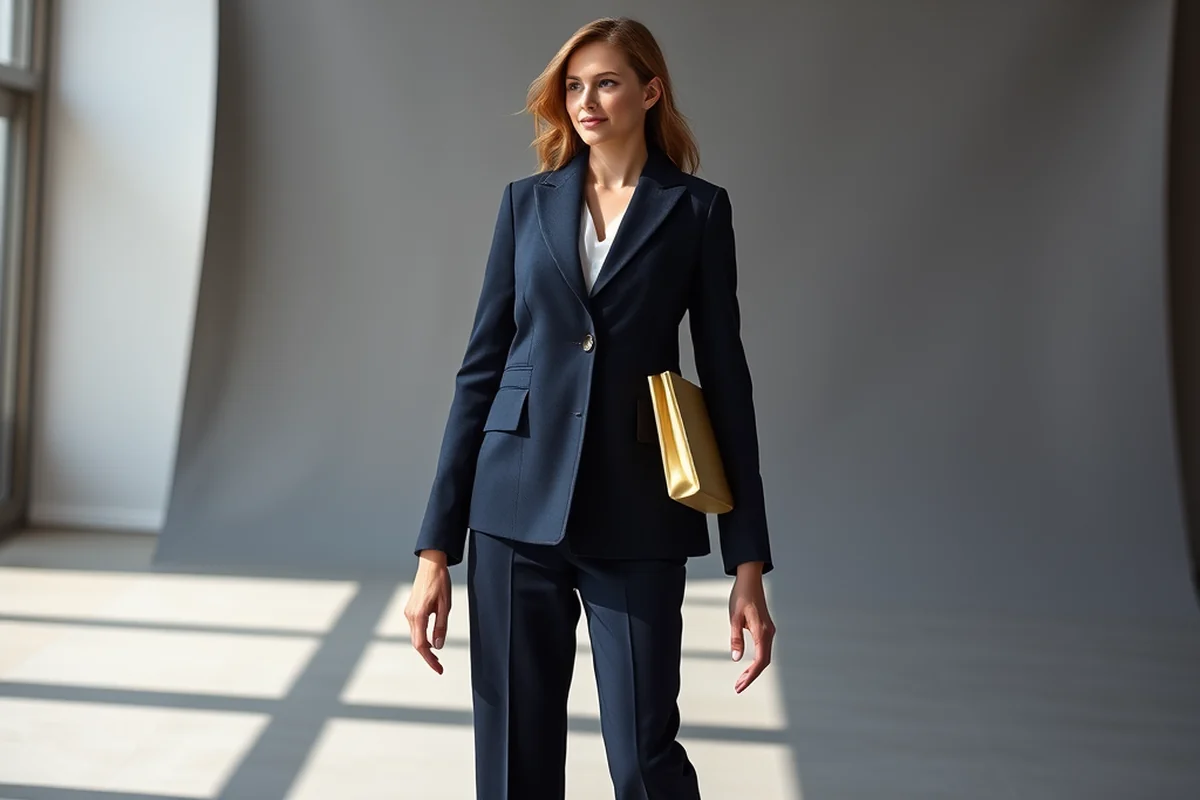
Business casual is more relaxed than formal business attire, but it still requires attention to detail. Think tailored chinos, light-colored sweaters, and loafers. It’s not about being sloppy — it's about maintaining a professional image with a bit more comfort.
I once wore a pair of jeans with a blouse to a client meeting and was told it looked 'too informal.' It was a wake-up call that even the most casual outfit needs to be carefully chosen. Business casual is about balancing comfort with professionalism — it’s not a license to wear anything.
In my experience, the difference is often in the fabric, fit, and finishing. A pair of well-pressed chinos with a tailored blouse can be just as effective as a blazer and slacks, depending on the workplace culture.
Business casual is a bridge between formal and informal — walk the line with care.
Related: Fashion nova women
How to build your women's business wardrobe
The foundation of any women’s business wardrobe is a few key pieces: a tailored blazer, a crisp white shirt, tailored slacks, a pencil skirt, and a pair of heels. These pieces can be mixed and matched to suit your needs and the requirements of your job.
I built my first business wardrobe on a budget of $140, focusing on quality over quantity. A simple white blouse from a local boutique, paired with a pair of well-fitted trousers, became my go-to outfit for meetings and presentations. Over time, I added accessories and layers to make the wardrobe more versatile.[1]
The key is to choose neutral colors that are easy to mix and match. Black, navy, gray, and beige are safe choices that can be dressed up or down depending on the situation.
Neutral colors like black, navy, and beige are versatile and can be easily mixed and matched to create a variety of outfits. Invest in these first, and build from there.
“I remember my first day at a corporate job in a city I’d never been to, with a suitcase full of clothes I thought were…”— TallMuse editors
Related: Victoria secret swimwear
The role of accessories in women's business attire
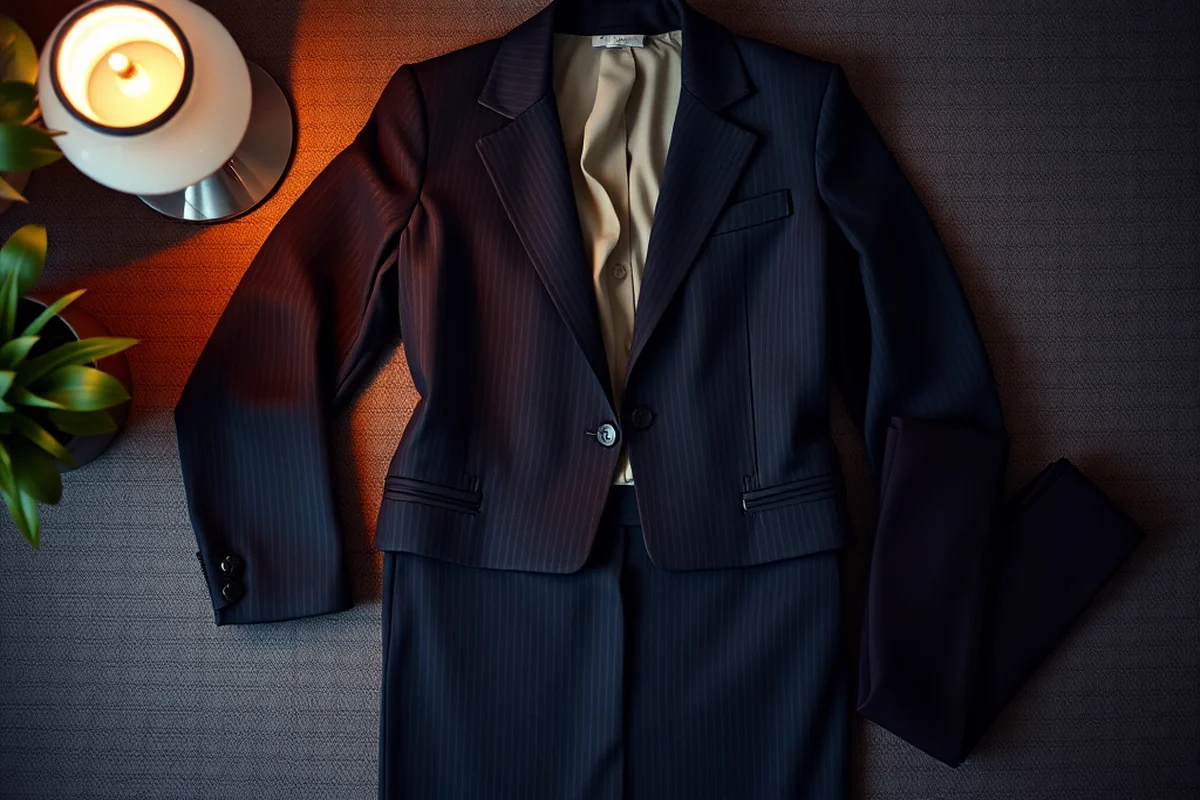
A well-chosen accessory can elevate an outfit from ‘basic’ to ‘business-ready.’ A classic watch, a pair of minimalist earrings, or a structured handbag can all make a statement without being too flashy.
I once wore a simple black belt with a tailored blazer and found that it instantly made the outfit feel more polished. Accessories like a silk scarf or a pair of statement shoes can add a unique flair while still keeping the outfit professional.
Remember, the goal is to enhance, not overshadow. Choose accessories that are timeless and complement your outfit rather than compete with it.
Related: Golf accessories for women
How to adapt women's business attire to different industries
In a tech startup, a tailored shirt and jeans might be acceptable, while in a law firm, a tailored suit is expected. It’s important to understand the culture of your workplace and adapt your attire accordingly.
I once worked in a marketing firm where business casual was the norm, but when I joined a client meeting with a law firm, I had to switch to a suit. Understanding the expectations of different industries can help you avoid missteps and project the right image.
Researching the dress code of your industry or company can save you from embarrassment. It’s always better to be slightly over-dressed than under-dressed.
Related: What is cargo pants for women
The importance of fit in women's business attire
Even the most expensive fabric will look cheap if it doesn’t fit well. A blazer that sags at the shoulders or slacks that are too tight can detract from your professional image.
I once bought a blazer online that looked perfect on the model but hung awkwardly on me. The lesson was clear: always try on your clothes before purchasing. A good fit can make you look more polished and confident.
When in doubt, opt for a tailored fit — it’s the most flattering and professional. Avoid overly loose or tight clothing that can distract from your message.
A well-fitted blazer can make you look a size smaller — and more confident.
Related: What s the best incontinence underwear for women
How to transition women's business attire for different times of the day
From early morning meetings to late-night networking events, your business attire can evolve. A tailored blazer and slacks can be worn in the morning, while a lighter fabric like linen can be worn later in the day.
I’ve found that a tailored shirt with a pair of trousers works well for meetings and presentations, while a more relaxed blouse and a pair of tailored slacks can be worn for lunch with clients. The key is to maintain a professional look throughout the day.
Layering can also be a useful tool. A blazer can be worn over a blouse in the morning and removed for a more relaxed look in the afternoon. This approach keeps you comfortable and professional at all times.
The Impact of Color Psychology in Women's Business Attire
Studies show that 75% of people make a judgment about a person within 7 seconds of meeting them, and color plays a key role in that first impression. In business settings, neutral tones like navy, black, and gray are often preferred as they convey reliability and competence. However, strategic use of color can also enhance confidence and approachability. For example, a blouse in a soft pink or light blue can signal warmth and creativity without compromising professionalism. These colors are particularly effective in industries like marketing or human resources where emotional intelligence is valued.
When selecting colors for business attire, it’s important to consider the context of your workplace. In more conservative industries such as law or finance, sticking to classic neutrals is safer and more likely to be well-received. However, in creative or tech industries, a pop of color—like a deep emerald green or a rich burgundy—can showcase individuality while still maintaining a professional image. A survey by Color Marketing Group found that 68% of professionals believe that wearing colors that align with their personal brand can improve workplace relationships and client trust.[2]
One practical approach is to build a capsule wardrobe with a base of neutral pieces and then incorporate one or two statement colors that reflect your personality. For instance, a tailored navy blazer with a red scarf or a gray pencil skirt with a mustard-colored blouse can add visual interest without being overwhelming. It’s also worth noting that certain colors, like bright yellow or orange, may be too bold for most office environments, unless you’re in a field that explicitly values innovation and energy. Always test colors in real lighting conditions to ensure they look as intended in your workplace.
💰 Budget-Friendly Business Attire
Create a professional wardrobe without breaking the bank by focusing on quality basics and versatile pieces.
💼 Workwear Business Attire
Opt for durable fabrics and structured silhouettes that can withstand the demands of a high-paced office environment.
👕 Casual Business Attire
Balance comfort and professionalism with tailored chinos, light-colored sweaters, and minimalist accessories.
👗 Petite and Tall Adaptations
Choose tailored pieces that fit your frame perfectly, ensuring a polished look for all body types.
🧳 Capsule Business Wardrobe
Build a versatile wardrobe with just a few key pieces that can be mixed and matched for different occasions.
| The mistake | Why it happens | The fix |
|---|---|---|
| Wearing overly casual clothing in a formal business setting | Casual clothing can make you appear unprofessional and unprepared, which can harm your credibility and career prospects. | Choose formal business attire that aligns with the expectations of your industry and workplace. |
| Ignoring the fit of your clothing | Poorly fitting clothing can detract from your professional image and make you look less confident. | Invest in well-tailored pieces and ensure that your clothing fits properly before wearing it to work. |
| Over-accessorizing in a professional setting | Too many accessories can be distracting and may not align with the professional image you're trying to project. | Choose a few timeless accessories that complement your outfit without overshadowing it. |
| Not understanding the dress code of your workplace | Failing to adhere to the dress code can lead to misunderstandings and a lack of respect from colleagues and clients. | Research the dress code of your workplace and adapt your attire accordingly. |
What Is Women'S Business Attire
Common Questions
What are the key pieces of women's business attire?
Can I wear jeans in a business setting?
How do I choose the right color for business attire?
What is the difference between business and business casual attire?
References
- Advice on dress and grooming for business women (behost.lib.iastate.edu)
- Bending Toward Justice: 60 Years of Civil Rights Laws Protecting ... (eeoc.gov)
Cite this guide
TallMuse (2026). What Is Women'S Business Attire. https://tallmuse.com/what-is-women-s-business-attire/
Feel free to cite or share this guide.