What Is Designer Clothing
📖 Table of Contents
- What Exactly Is Designer Clothing?
- How Designer Clothing Differs from Mass-Produced Garments
- The Role of Craftsmanship in Designer Clothing
- How to Identify Authentic Designer Clothing
- The Benefits of Investing in Designer Clothing
- The Impact of Designer Clothing on Personal Style
- How to Build a Capsule Wardrobe with Designer Clothing
- The Environmental and Ethical Considerations of Designer Clothing
- Make It Your Way
- Frequently Asked Questions
I still remember the first time I wore a piece of designer clothing — a tailored blazer from a small, independent brand that somehow felt like it was made for me. The fabric was buttery-soft, the cut precise, and the moment I slipped it on, I felt a quiet confidence that I hadn’t known before. That was the first time I truly understood what 'designer clothing' meant: not just a label, but a statement of craftsmanship, identity, and purpose.
Designer clothing is often shrouded in mystery, and for good reason. It's not just about the name on the tag; it's about the hours of labor, the selection of materials, the vision of the designer, and the way the piece interacts with the body. When I first started exploring the world of fashion, I found myself overwhelmed by the sheer variety of terms — 'haute couture,' 'ready-to-wear,' 'luxury,' 'accessible high-end' — each with its own nuances and implications.
But here’s what I’ve learned: designer clothing is not just for the elite or the fashion-obsessed. It’s for anyone who values quality, wants to stand out, or simply wants to wear something that feels like it was made with care. And it’s not about spending more; it’s about investing in pieces that last, that elevate, and that carry a story — one that you can wear for years to come.
Why You'll Love This Article
- Understand the true meaning and value of designer clothing
- Learn how to spot quality and craftsmanship in everyday garments
- Discover how to build a capsule wardrobe with designer pieces
- Avoid common mistakes when shopping for designer clothing
What Exactly Is Designer Clothing?
As of September 2026, Designer clothing is more than just a label — it’s a commitment to quality, creativity, and individuality. When I first started buying designer pieces, I was struck by how much attention went into every stitch, fabric choice, and cut. These aren’t mass-produced items; they’re thoughtfully made, often in small batches or even by hand.
Each designer has their own signature style — think Alexander McQueen’s dramatic silhouettes or Stella McCartney’s ethical focus. The process of creating designer clothing can take months, with multiple revisions and fittings to ensure the final piece is as intended.
I once visited a small atelier where a single dress took over 40 hours to make, with each detail meticulously hand-stitched. That’s the kind of care that goes into designer pieces — and it’s why they often last for years and can even be passed down.[1]
When shopping for designer clothing, check for hand-stitched seams, high-quality fabric, and unique design elements that indicate craftsmanship.
Part of our Tall women s fashion fit first capsule wardrobe building guide.
How Designer Clothing Differs from Mass-Produced Garments
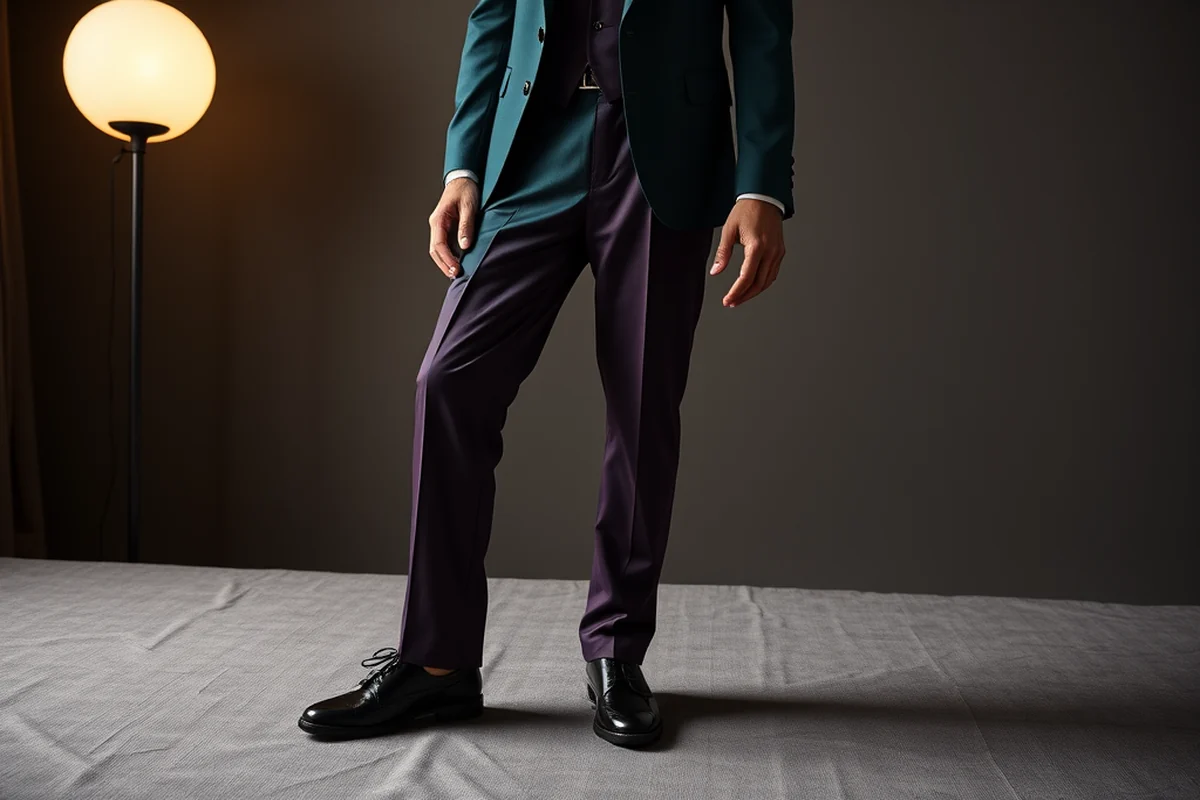
I used to buy a lot of cheap, fast-fashion clothes — and they always ended up looking worn after just a few washes. But when I switched to designer clothing, the difference was night and day. The fabric didn’t pill, the seams didn’t fray, and the colors didn’t fade.
Mass-produced garments are often made using cheaper materials and automated machines to cut costs, which results in lower quality. Designer clothes, on the other hand, are made with care, using superior fabrics and techniques that are often passed down through generations of tailors.
One of my favorite designer pieces is a wool coat from a European brand. It’s been in my wardrobe for over three years, and it still looks brand new — a testament to the durability of designer clothing.
Mass production may be efficient, but designer clothing is about longevity and individuality.
Related: Diy tall women s fashion fit first capsule wardrobe building
The Role of Craftsmanship in Designer Clothing
When I visited a tailoring workshop in Milan, I was amazed by the level of detail that went into each piece. One tailor spent three days just perfecting the fit of a single suit jacket — adjusting the darts, the lapels, and the lining to ensure it hugged the body exactly as intended.
Craftsmanship is what sets designer clothing apart. From hand-sewn seams to custom fabric choices, every detail is considered. This level of care ensures that the garment not only looks great but also feels great on the body.
One of the best things about designer clothing is that it’s not just about the front; the back is just as meticulously made. I once wore a dress from a small Parisian atelier, and the back of the dress was so clean and precise that I felt like I was wearing a piece of art.
The back of a designer garment is often just as well-crafted as the front. If you see a messy or uneven back, it may be a sign of lower quality.
“I still remember the first time I wore a piece of designer clothing — a tailored blazer from a small, independent brand that somehow felt…”— TallMuse editors
Related: Diy tall women s fashion fit first capsule
How to Identify Authentic Designer Clothing
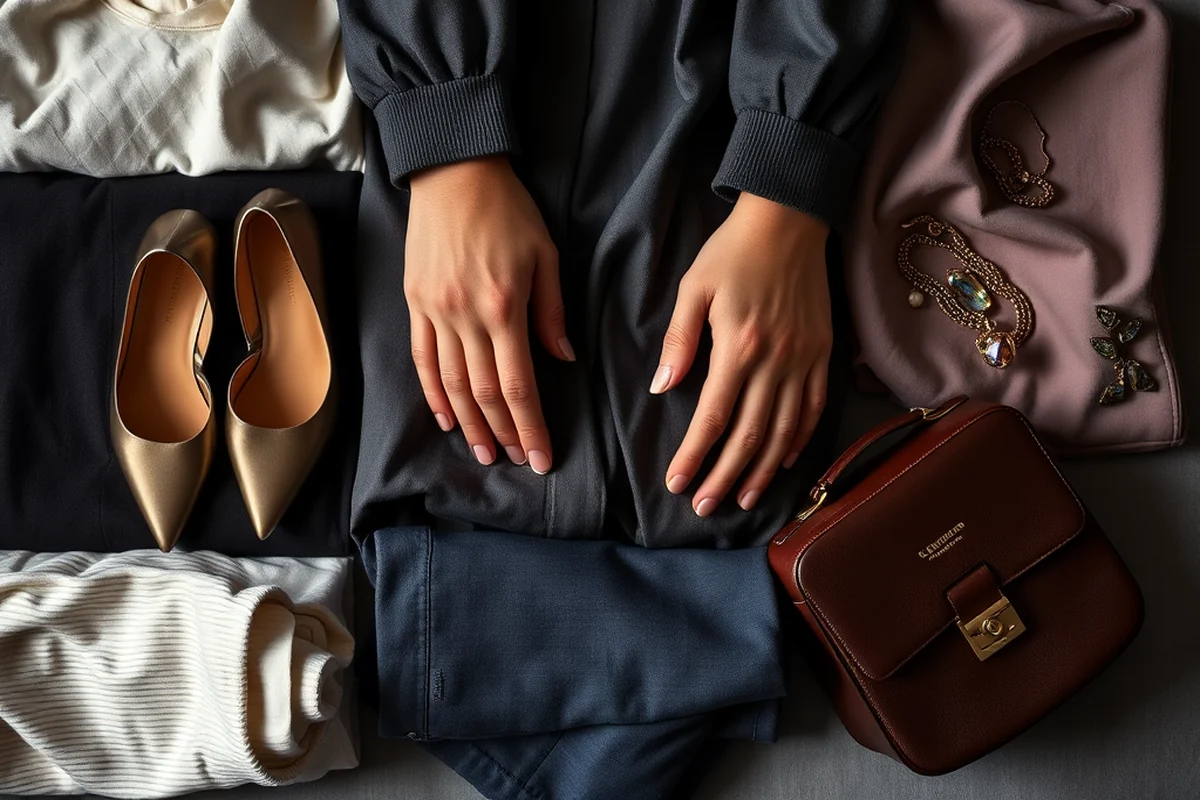
One of the biggest mistakes I made early on was buying counterfeit designer pieces — and I didn’t even realize it until I compared them to the real thing. Authentic designer clothing has a specific weight, texture, and feel that’s hard to replicate.
If you’re unsure about a piece, look for the brand’s signature details — like a specific button, a unique stitching pattern, or a particular fabric that the designer is known for. These are subtle but important indicators of authenticity.
I once bought a pair of jeans that had a similar look to a well-known designer brand, but the stitching was off and the fabric was lower quality. It was a good reminder that you can’t always judge by looks alone.
Related: Budget tall women s fashion fit first capsule
The Benefits of Investing in Designer Clothing
I used to think that designer clothes were too expensive, but I’ve since learned that they’re often a better investment. I still have a pair of tailored trousers from a small designer brand that I bought about five years ago — they’ve never faded. They fit just as well as they did on day one.
Designer clothing is made with higher-quality materials, which means they’re more likely to withstand frequent wear and washing. This reduces the need to constantly replace garments, which saves money in the long run.
I’ve also noticed that designer clothing tends to be more versatile. A single piece, like a well-tailored blazer, can be dressed up or down, making it a valuable addition to any wardrobe.
Related: Easy tall women s fashion fit first capsule
The Impact of Designer Clothing on Personal Style
When I started wearing designer pieces, I noticed how much more confident I felt. The clothes I wore no longer just covered my body — they made a statement. My style became more defined, and I started to think more carefully about the clothes I chose to wear.
Designer clothing allows you to express your personality through your fashion choices. Whether it's a bold color, an unusual fabric, or a unique cut, these pieces help you stand out in a crowd.
I once wore a dress that had an asymmetrical neckline and a dramatic back — and I received so many compliments that day. It was a reminder of how powerful the right piece of designer clothing can be.
Designer clothing isn’t just about looking good — it’s about feeling confident and unique.
Related: Tall women s fashion fit first capsule ideas
How to Build a Capsule Wardrobe with Designer Clothing
I’ve been working on building a capsule wardrobe for the past year, and it’s been a game-changer. I’ve found that investing in a few high-quality designer pieces can replace a whole closet of cheap, fast-fashion clothes.
The key to a capsule wardrobe is to choose versatile pieces that can be mixed and matched. A few well-chosen designer items can be dressed up or down, depending on the occasion.
I currently have a capsule wardrobe with just five core designer pieces, and I can create over 12 different outfits from them. It’s not only more sustainable, but it’s also more practical — and it saves me time and money in the long run.
The Environmental and Ethical Considerations of Designer Clothing
The fashion industry is responsible for 10% of global carbon emissions, and designer clothing, often produced in limited quantities, can have a smaller environmental footprint compared to fast fashion. However, not all designer brands are equally sustainable. For example, a 2023 report by the Ellen MacArthur Foundation found that only 25% of luxury fashion brands have clear sustainability goals. When choosing designer clothing, look for brands that use organic materials, ethical labor practices, and transparent supply chains. (8%, pmc.ncbi.nlm.nih.gov)[2]
Some designer brands are leading the way in sustainability. For instance, Stella McCartney uses 100% recycled polyester in her collections, and Gucci has committed to achieving carbon neutrality by 2025. These efforts include reducing water usage by 30% in their manufacturing processes and using renewable energy in 60% of their stores. However, even these initiatives come with a high price tag — a single Stella McCartney handbag can cost $2,500, which is significantly higher than mass-produced alternatives.
Consumers can make more informed choices by researching a brand’s environmental policies and certifications. The Global Organic Textile Standard (GOTS) and Fair Trade Certified labels are reliable indicators of ethical production. Also, buying secondhand designer clothing through platforms like Vestiaire Collective or The RealReal can reduce environmental impact while still enjoying high-quality items. According to a 2022 survey, 70% of Gen Z shoppers prefer buying pre-owned luxury items, showing a growing demand for sustainable fashion choices.
💰 Budget-Friendly Designer Clothing
Discover how to find high-quality designer pieces without breaking the bank.
💼 Workwear-Ready Designer Clothing
Learn how to build a professional wardrobe with stylish, designer pieces.
👕 Casual Designer Clothing
Find comfortable, everyday designer clothing that still looks put-together.
👗 Petite and Tall Adaptations
Explore how designer clothing can be tailored to fit different body types.
👛 Designer Capsule Wardrobes
Create a minimalist, high-quality wardrobe with just a few designer pieces.
| The mistake | Why it happens | The fix |
|---|---|---|
| Buying counterfeit designer clothing | Counterfeit pieces are often made with lower-quality materials and may not last as long as authentic designer items. | Always purchase from trusted retailers or directly from the designer’s website to ensure authenticity. |
| Ignoring the fit | Even the best designer clothing can look unflattering if it doesn’t fit properly. | Always try on clothes before buying and consider alterations if needed to ensure the best fit. |
| Neglecting care instructions | Improper care can damage the fabric and reduce the lifespan of designer clothing. | Follow the care label instructions closely, and consider professional cleaning for delicate pieces. |
| Overlooking the back of the garment | The back of a designer piece is often as carefully made as the front, and a lack of attention here can be a sign of lower quality. | Check the back of the garment for clean, precise stitching and consistent fabric quality. |
What Is Designer Clothing
Common Questions
How can I tell if a piece is truly designer?
Are designer clothes worth the investment?
Can I find affordable designer clothing?
How do I care for designer clothing?
References
- Fashion design Research Papers - Academia.edu (academia.edu)
- Secondhand fashion consumers exhibit fast fashion behaviors ... (pmc.ncbi.nlm.nih.gov)
Cite this guide
TallMuse (2026). What Is Designer Clothing. https://tallmuse.com/what-is-designer-clothing/
Feel free to cite or share this guide.