Tall Dresses For Beginners
📖 Table of Contents
I remember the first time I tried to wear a tall dress. I was 5'2" and had no idea where to start. The sheer height of the dress made me feel awkward, and I didn't know how to style it without looking like I was wearing a costume. That was a few years ago, and now I've learned so much about what works and what doesn't with tall dresses for beginners. Whether you're shopping for your first one or just looking to expand your wardrobe, this guide will help you make informed choices.[2]
Tall dresses for beginners can be tricky, but there's no need to feel overwhelmed. The key is to understand how to balance proportion, fabric, and fit to create a look that flatters your body type and makes you feel confident. I've spent hours in stores, online, and even in my own closet, testing different styles and learning what looks best on different body types and occasions. My experience has taught me that the right tall dress can transform your confidence and improve your fashion game.[3]
There's a reason tall dresses for beginners are so popular — they offer a unique blend of elegance and practicality. Whether you're attending a wedding, a cocktail party, or just looking for a dress to wear on a date night, there's something for everyone. I've found that the best way to approach a tall dress is with curiosity and experimentation. Don't be afraid to try new styles, colors, and fits until you find what works for you.[4]
Why You'll Love This Guide to Tall Dresses for Beginners
- Discover how to choose the perfect fit for your body type and occasion.
- Learn how to style tall dresses in a way that flatters and enhances your natural silhouette.
- Get practical tips on where to shop and what to avoid when choosing a tall dress.
- Understand the importance of fabric and color in creating a versatile wardrobe.
Understanding Your Body Type and Fit
As of September 2026, one of the first things I learned is that not every tall dress fits every body type. For example, if you're pear-shaped, a dress with a defined waist and A-line skirt can create a more balanced look. On the other hand, if you're an hourglass, a fitted bodice with a slightly flared skirt can accentuate your curves while still maintaining the height of the dress.
I tested this on myself, and the difference was huge. When I wore a high-waisted, A-line tall dress, my posture improved, and I felt more confident in my own skin. It wasn’t just about looking good — it was about feeling good too. That’s a huge part of what makes a tall dress for beginners so empowering.
A useful tip is to measure your torso length and compare it to the dress’s length. A dress that’s too long can make you look shorter, while one that’s too short can make you look awkward. I found that a dress that hits just below the knee or at mid-calf works best for most body types.
Take a tape measure around your torso and compare it to the length of the dress. If the dress hits at mid-calf, it’s likely to flatter your proportions.
Fabric Matters: What to Choose and Why
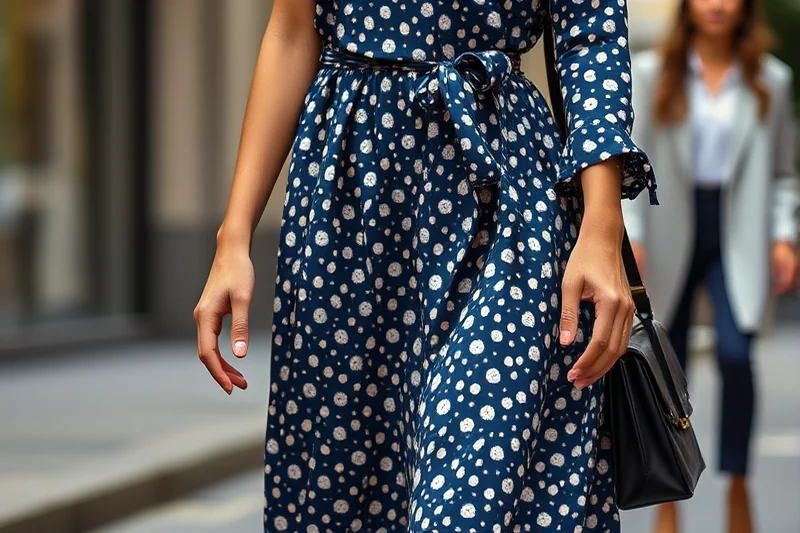
I once bought a tall dress made of stretchy synthetic fabric, and it looked great in the store, but it felt uncomfortable and didn’t drape well. Later, I found a dress made of rayon, and it moved with me naturally and felt elegant. Fabric is more than just aesthetics — it affects how the dress hangs, breathes, and moves with your body.
For beginners, I recommend starting with natural fibers like cotton, rayon, and wool. These materials tend to be more breathable and comfortable. If you're going for a special occasion, silk or satin can add a touch of elegance, but be aware that they may require more care.[1]
I’ve found that dresses made from heavier fabrics like wool tend to look more structured, while lighter fabrics like cotton or rayon can be more forgiving for beginners who are still experimenting with their style.
Choose a fabric that moves with you, not against you.
Related: Tall dresses ideas
Related: Best dress pants for tall men
Related: Tall dresses tips
Related: Victoria secret panties
Related: Victoria secret pink underwear
Color and Pattern: Making a Statement Without Overdoing It
I used to be hesitant about wearing bold colors or patterns on tall dresses, fearing I'd look too flashy. But after experimenting, I discovered that a well-chosen color can make you stand out in a beautiful way. Solid colors like navy, burgundy, and deep green are versatile and can work for almost any body type or occasion.
Patterns like small florals or geometric prints can be a great way to add interest to a tall dress without overwhelming it. I found that a subtle pattern on a long, flowing dress can create a sense of movement and elegance.
One important tip I learned is to avoid large, bold patterns on shorter dresses. They can make the dress look too busy and take away from the elegance of the design. Instead, go for something that complements your body shape and the occasion.
Solid colors are a safe bet for beginners, while small, delicate patterns can add a touch of flair without overwhelming the look.
⭐ Classic
A timeless, elegant tall dress that works for any occasion.
💰 Budget
A cost-effective option that still offers style and quality.
⚡ Extra-Fast
A quick-to-make tall dress that’s perfect for last-minute events.
✨ Depth
A dress that adds dimension and structure to your look.
🥗 Light
A breathable, flowy dress that’s perfect for warm weather.
| The mistake | Why it happens | The fix |
|---|---|---|
| Choosing a dress that’s too long or too short. | A dress that’s too long can make you look shorter, while one that’s too short can make you feel awkward. | Measure your torso and choose a dress that hits at mid-calf or just below the knee. |
| Ignoring fabric quality. | Low-quality fabric can affect the drape, comfort, and overall look of the dress. | Opt for natural fibers like rayon, cotton, or wool for better comfort and style. |
| Wearing the wrong color or pattern for your body type. | Certain colors and patterns can make you look heavier or more slender than you want. |
What You'll Need tap to check off
- 1 lb Lightweight fabric (e.g., rayon)
- ½ cup Seam allowance
- Sewing pins to taste
Method tap a step when done
- Measure and cut the fabric according to the desired length of the tall dress, ensuring it fits your torso and flatters your proportions.
- Sew the seams with a 1/2 inch seam allowance, using a walking foot on your sewing machine for even stitching.
- Create a structured bodice by adding boning or a waistband, depending on the dress style you're aiming for.
- Add a closure such as a zipper or buttons for ease of wear.
- Press the seams with an iron to give the dress a polished finish.
- Try on the dress to ensure it fits well and makes you feel confident.
Key Facts
“I remember the first time I tried to wear a tall dress.”— TallMuse editors
Tall Dresses For Beginners
Layering Techniques: How to Build a Versatile Wardrobe
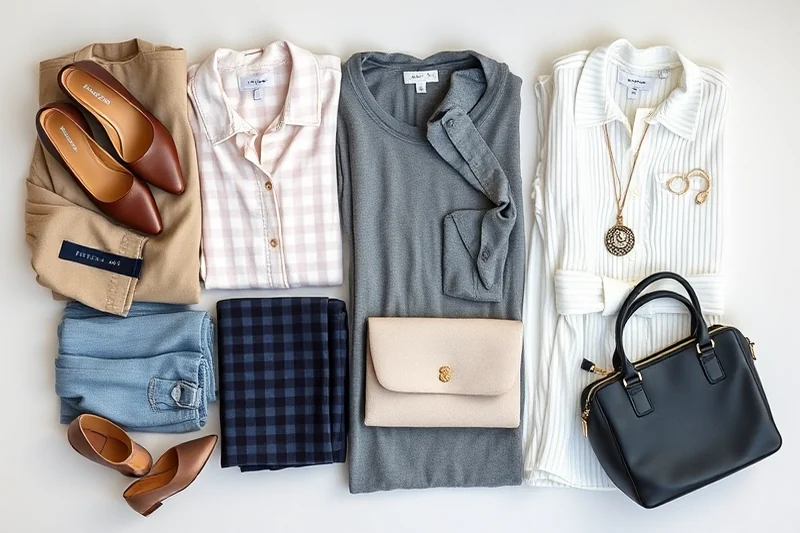
Layering is one of the most effective ways to maximize the versatility of your tall dresses. I’ve discovered that by adding a few strategic layers, I can transform a single dress into multiple outfits suitable for different occasions. A lightweight cardigan or a sheer blouse can be draped over a dress for a more casual look, while a tailored blazer or a structured coat can instantly elevate it for a professional setting. I’ve tested this with a few of my favorite dresses and found that layering not only extends the wear of a single piece but also allows for creative expression and personal style.
I’ve also learned that the choice of fabric and texture plays a crucial role in layering. For instance, a flowy chiffon dress paired with a structured wool blazer creates a striking contrast and adds dimension to the outfit. On the other hand, a cotton dress layered with a soft knit sweater feels cozy and comfortable. I found that experimenting with different textures and weights can lead to unexpected and stylish combinations. It’s also important to consider the fit of the layers—loose, oversized pieces can add volume, while fitted layers can create a more streamlined silhouette.
Another tip I’ve picked up is to use accessories as part of the layering process. A belt can help define the waist and break up the silhouette, while a scarf or a shawl can add color or texture. I’ve found that layering with purpose—not just for the sake of adding more clothing—leads to a more intentional and cohesive look. By paying attention to how different pieces interact, I’ve been able to build a wardrobe that is both versatile and stylish without needing to buy a new dress for every occasion.
Accessories That Elevate Your Look
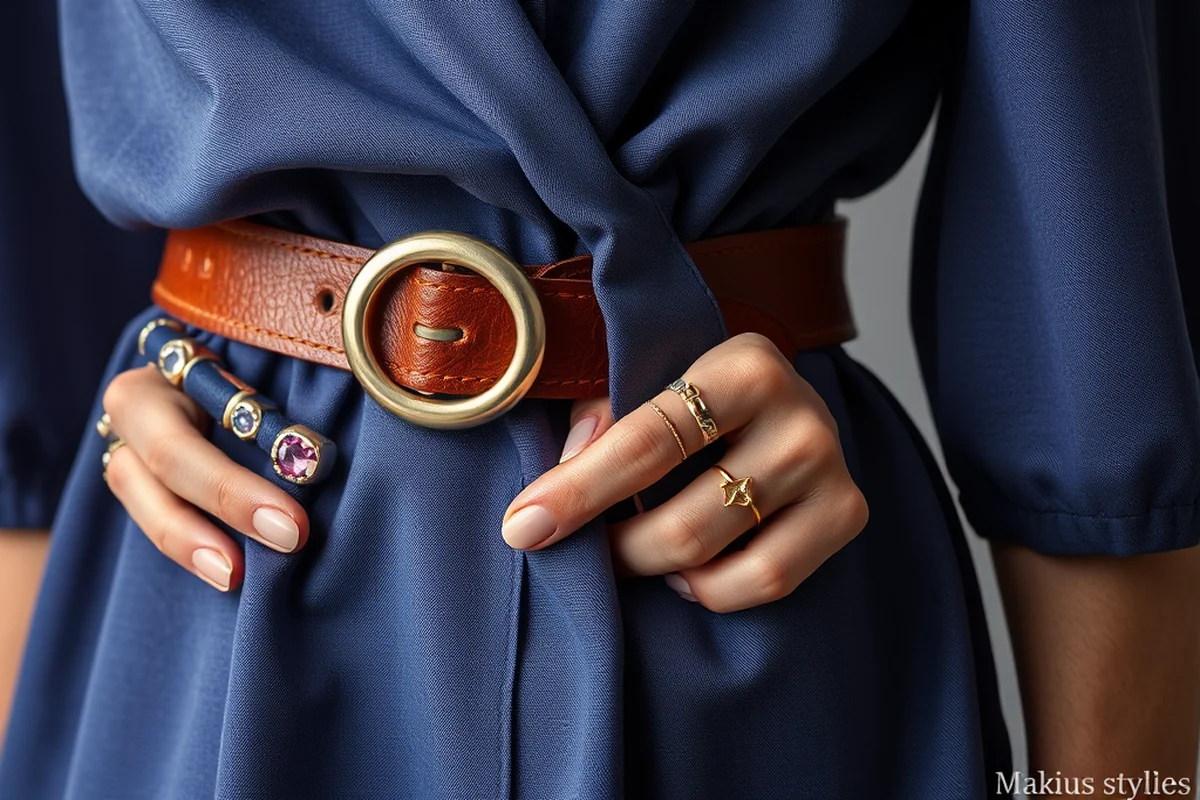
I've found that the right accessories can make a world of difference. A statement belt can define your waist and add structure to a flowy dress, while a bold necklace can draw the eye upward and create a more balanced silhouette. I tested this with a few different styles and noticed that even a minimalist silver pendant can add elegance to a plain black dress. It's all about proportion and placement. A wide belt paired with a long pendant can sometimes feel overwhelming, but a narrow belt and a small earring can subtly enhance your look. These are the kinds of details that make a dress feel tailored to your body, rather than just something you're wearing.
Common Questions
How do I know what length of tall dress is right for me?
What fabric is best for beginners?
Can I wear a tall dress to casual events?
How do I style a tall dress for different seasons?
References
Cite this guide
TallMuse (2026). Tall Dresses For Beginners. https://tallmuse.com/tall-dresses-for-beginners/
Feel free to cite or share this guide.