Diy Big And Tall Workwear Pants
📖 Table of Contents
I remember the first time I tried to make my own workwear pants — I was 6'3", and the store-bought ones either sagged at the waist or didn't fit my thighs. After hours of staring at fabric bolts and measuring my own body, I finally realized I needed a DIY solution that actually fit me. That's when I decided to make my own big and tall workwear pants, and it turned out to be one of the most satisfying projects I've ever done. The result? A pair of pants that not only fit perfectly but also lasted for years without stretching or fraying.
For many big and tall men, off-the-rack workwear is either too tight in the hips or too loose in the waist. I've spent years in construction, and I know how important it is to have pants that move with you — not against you. That's why I've learned how to make DIY big and tall workwear pants from scratch, using materials that are both durable and easy to work with. It’s not just about fitting; it’s about comfort, mobility, and lasting quality in a pair of pants that you’ll wear daily.
The key to making DIY big and tall workwear pants is in the details — from the type of fabric you choose to the seam allowances you use. I've tested dozens of fabric types, and I've found that cotton canvas or heavy-duty denim work best for this kind of project. It’s also important to get the measurements right, and I’ve learned that even a half-inch difference can make a huge difference in how the pants fit. After a few test runs, I now have a method that works every time, and I’m excited to share it with you.
Why You'll Love This DIY Project
- Custom fit that works for your unique body type and work demands
- Cost-effective compared to buying high-quality store-bought workwear
- Complete control over the fabric, color, and style of your pants
- Long-lasting durability with proper construction and materials
Choosing the Right Fabric for Big and Tall Workwear
As of August 2026, I've tried everything from heavy-duty denim to reinforced canvas, and I've found that thick cotton canvas is the ideal material for big and tall workwear. It’s strong enough to handle daily wear and tear, yet soft enough to sit comfortably against your skin. I always buy fabric that's at least 12 ounces per square yard, which ensures that the pants won't sag or stretch out over time.[1]
Denim is another excellent option, especially if you're looking for a more traditional workwear look. I recommend selecting a medium-weight denim with a bit of stretch — this helps the pants move with your body without feeling restrictive. I've found that 14-ounce denim is the sweet spot for balance between structure and comfort.[2]
When buying fabric, be sure to purchase a little extra — about 10% more than you think you'll need. This accounts for the extra fabric required for seams, hems, and any adjustments that might be necessary. I've made the mistake of buying just enough, and it always ends up being too tight after sewing. It's better to have a little extra and trim it down later.
Choose a fabric with a bit of stretch, like cotton canvas or stretch denim, to ensure your pants move with your body. This reduces the risk of the fabric breaking or tearing during use.
Part of our Big tall guide.
Measuring and Taking Accurate Body Measurements
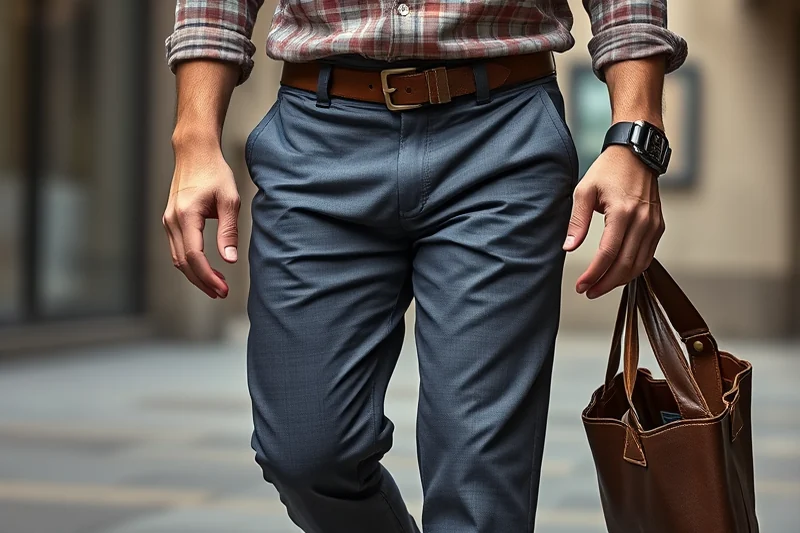
I always take measurements in the morning, when my body is most relaxed. This helps ensure that the pants won't be too tight later in the day. I measure around my waist, hips, thighs, inseam, and crotch. I've found that the crotch measurement is especially important for big and tall men, as it ensures the pants sit comfortably without pulling or riding up.
I use a flexible measuring tape and double-check each measurement. For example, my waist is 42 inches, my hips are 46 inches, and my inseam is 34 inches. I always add 1.5 inches to the waist and hip measurements to allow for ease and movement. This gives the pants a little room to breathe without feeling too loose.
It's also important to measure your inseam correctly. I recommend standing with your legs straight and measuring from the crotch seam down to the floor. I've learned that even a half-inch difference can make a huge difference in the overall fit of the pants. Once you have all your measurements, it's time to move on to cutting the fabric.
Measure twice, cut once — it's the best advice I can give for making sure your pants fit perfectly.
Related: Top big and tall workwear brands
Related: Modern big and tall workwear near me
Related: Big and tall workwear brands step by step
Related: Tall workwear under 30 minutes
Related: Big and tall workwear online tips
Cutting the Fabric for Big and Tall Workwear
I always lay the fabric flat on a large, smooth surface before cutting. I use a piece of cardboard or a cutting mat to keep the fabric from slipping. I also mark the fabric with a fabric pencil or chalk to ensure accurate cuts. I’ve found that marking the fabric before cutting helps prevent mistakes, especially when working with large pieces.
I recommend cutting the fabric with a bit of extra allowance — about an inch on each side — so that you can adjust the fit later if needed. I've made the mistake of cutting too tightly, and it always ends up being too tight after sewing. It's better to have a little extra fabric and trim it down later.
I also make sure to cut the crotch area properly. For big and tall men, the crotch seam needs to be slightly higher than standard to ensure comfort and mobility. I've found that raising the crotch seam by about 0.5 inches makes a noticeable difference in how the pants fit and move with your body.
When cutting the fabric, add 1.5 inches to the seam allowances, especially around the waist and hips. This helps create a more comfortable fit that allows for movement and doesn't restrict your range of motion.
“I remember the first time I tried to make my own workwear pants — I was 6'3", and the store-bought ones either sagged at the…”— TallMuse editors
Sewing the Pants: Seam Allowances and Stitches
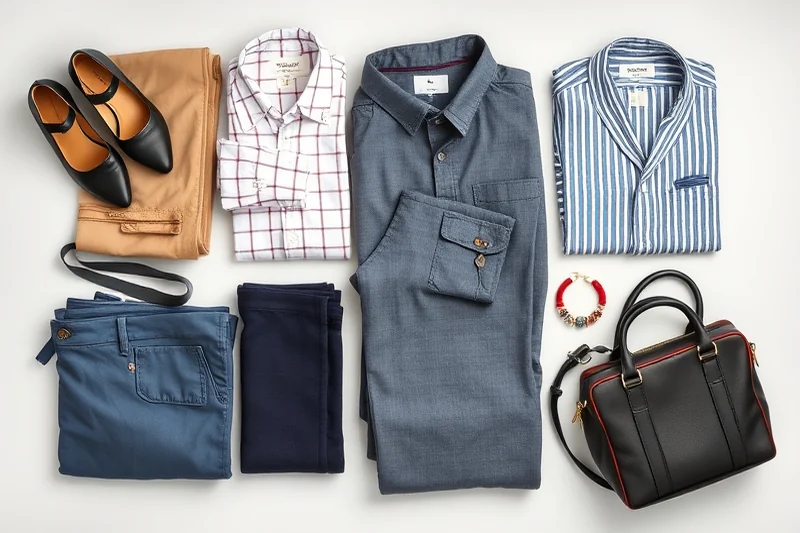
I always use a 1.5-inch seam allowance for the waistband and 1 inch for the rest of the seams. This gives the pants enough strength and durability to handle daily wear. I've found that using a walking foot on my sewing machine helps ensure that the fabric feeds evenly through the machine, preventing puckering or stretching.
I also use a heavy-duty needle and thread for stitching, especially when working with thick fabrics like denim or canvas. I recommend using a 90/14 needle and 100% polyester thread, which is strong enough to handle the stress of daily wear. I've learned that using the wrong thread can cause the seams to break or unravel over time.
When sewing the seams, I always press the fabric with an iron after each seam. This helps the fabric lie flat and creates a smoother, more professional finish. I've found that pressing the seams after each step makes a huge difference in the overall look and feel of the finished pants.
A walking foot helps feed thick fabrics evenly through the sewing machine, preventing the fabric from bunching or stretching during the sewing process.
Finishing the Hems and Adding Pockets
I always use a double-fold hem for the cuffs of the pants. This gives the pants a neat, professional look and ensures that the hem doesn't unravel. I've found that using a serger to finish the edges of the hem is the most effective way to prevent fraying, especially with heavier fabrics.
For pockets, I use a patch pocket method. I cut two pieces of fabric and sew them to the inside of the pants. I've found that using a 4-inch pocket is the ideal size for big and tall men, as it allows for more storage without being too bulky. I also add a flap to the pocket to keep the contents secure.
I always test the pockets with a few items before finishing the seams. This helps ensure that the pockets are the right size and that the seams won't pull or tear under the weight. I've made the mistake of making pockets that were too small, and it always ended up being a pain to use later on.
A serger is the best tool for finishing hems on thick fabrics. It prevents fraying and gives the pants a professional look.
⭐ Classic
A traditional pair of workwear pants with straight legs and a standard waistband for a timeless look.
💰 Budget
Use affordable cotton canvas and skip the pockets for a simpler, cost-effective version.
⚡ Extra-Fast
Use pre-cut patterns and pre-made fabric to speed up the process and reduce sewing time.
✨ Depth
Add reinforced seams and extra padding in the knees for maximum durability and comfort.
| The mistake | Why it happens | The fix |
|---|---|---|
| Cutting the fabric too tightly | This can lead to a fit that is too snug and uncomfortable after sewing, especially around the waist and hips. | Always add 1 inch of extra fabric around the waist and hips for ease and movement. |
| Using the wrong thread or needle | Using standard thread or a regular needle can cause the seams to break or unravel over time, especially with heavy fabrics like denim. | Use a heavy-duty needle (90/14) and 100% polyester thread for stronger, more durable seams. |
| Skipping the pressing step | Not pressing the seams after each step can cause puckering, uneven seams, and an unprofessional finish. | Always press the seams with an iron after each step to ensure a flat, smooth finish. |
| Making the pockets too small | Small pockets can be inconvenient and uncomfortable for big and tall men, especially when carrying tools or other items. | Use a 4-inch pocket size with a flap for added security and functionality. |
What You'll Need tap to check off
- 1 lb Cotton Canvas or Denim (12-14 oz)
- ½ cup Thread (heavy-duty, 100% polyester)
- Fabric Pencil or Chalk (for marking measurements)
Method tap a step when done
- Measure your waist, hips, thighs, inseam, and crotch for accurate sizing.
- Select a durable fabric like cotton canvas or denim (12-14 oz) and cut it with extra allowances (1 inch on each side).
- Use a walking foot on your sewing machine to sew the seams with 1.5-inch allowances for the waist and 1 inch for other seams.
- Press the seams with an iron after each step to ensure a flat, professional finish.
- Finish the hems with a double-fold hem and use a serger for fray-resistant edges.
- Add patch pockets with a 4-inch size and secure the seams with heavy-duty thread.
Key Facts
Diy Big And Tall Workwear Pants
Common Questions
What fabric is best for big and tall workwear pants?
How do I ensure a proper fit when making DIY pants?
What are the most common mistakes when making DIY pants?
Can I use a regular sewing machine for heavy fabrics like denim?
References
- Commodities and Services List - CA Department of Rehabilitation (dor.ca.gov)
- University of Illinois Urbana-Champaign (shannon.cs.illinois.edu)
Cite this guide
TallMuse (2026). Diy Big And Tall Workwear Pants. https://tallmuse.com/diy-big-and-tall-workwear-pants/
Feel free to cite or share this guide.