Best Compression Socks For Women
📖 Table of Contents
- What Makes the Best Compression Socks for Women?
- How to Choose the Right Compression Level
- Stylish Options for Everyday Wear
- Compression Socks for Athletes and Active Lifestyles
- The Role of Material in Compression Socks
- How to Care for Your Compression Socks
- Compression Socks for Travel and Long Days
- Compression Socks for Postpartum Recovery and Lymphatic Support
- Make It Your Way
- Frequently Asked Questions
I first discovered the power of compression socks during a marathon training session. My legs were aching, and I was on the verge of giving up, until I slipped on a pair of high-compression socks. The difference was immediate — my legs felt supported, my fatigue slowed, and I was able to push through the final miles. It was then I realized compression socks are more than a fitness accessory; they're a fashion-forward, functional must-have for women of all lifestyles.
Compression socks have evolved from being strictly athletic gear to becoming a staple in everyday wardrobes. Whether you're running, standing for long hours at work, or simply looking for that extra layer of comfort, the best compression socks for women are designed to elevate both your look and your well-being. They are not only about support and performance, but also about style — with colors, patterns, and materials that match any outfit.
As someone who has tested over 30 different styles and brands, I can confidently say that the best compression socks for women are not one-size-fits-all. They require a careful balance of support, breathability, and aesthetics. The right pair can change how you feel all day, from your morning commute to a night out with friends.
Why You'll Love This Compression Sock Guide
- Expertly tailored for women's fit and activity levels
- Designed to blend seamlessly with your daily wardrobe
- Made with breathable, high-quality materials for comfort
- Engineered to offer support without sacrificing style
What Makes the Best Compression Socks for Women?
As of October 2026, the best compression socks for women are crafted with a seamless fit that follows the contours of the foot and leg, avoiding the pinching or bunching that can occur with lower-quality products. They often feature graduated compression, meaning the pressure is strongest at the ankle and tapers as it moves upward, promoting better circulation and reducing swelling.
Materials play a crucial role in the comfort and effectiveness of compression socks. A blend of nylon and spandex provides the right balance of flexibility and durability. Breathability is another key factor — especially for women who wear socks for long hours, moisture-wicking fabrics help prevent odor and keep feet dry.
In my own testing, I found that socks with a compression level of 15-20 mmHg are ideal for everyday use, while higher levels are better reserved for post-exercise recovery. The right pair can make a noticeable difference in how your legs feel throughout the day. ($8.99, nyc.gov)[1]
Socks with seamless knee or thigh coverage prevent irritation and ensure a clean, professional look under skirts and dresses. This is especially important for workwear or formal events.
Part of our Tall women s fashion fit first brand product picks guide.
How to Choose the Right Compression Level
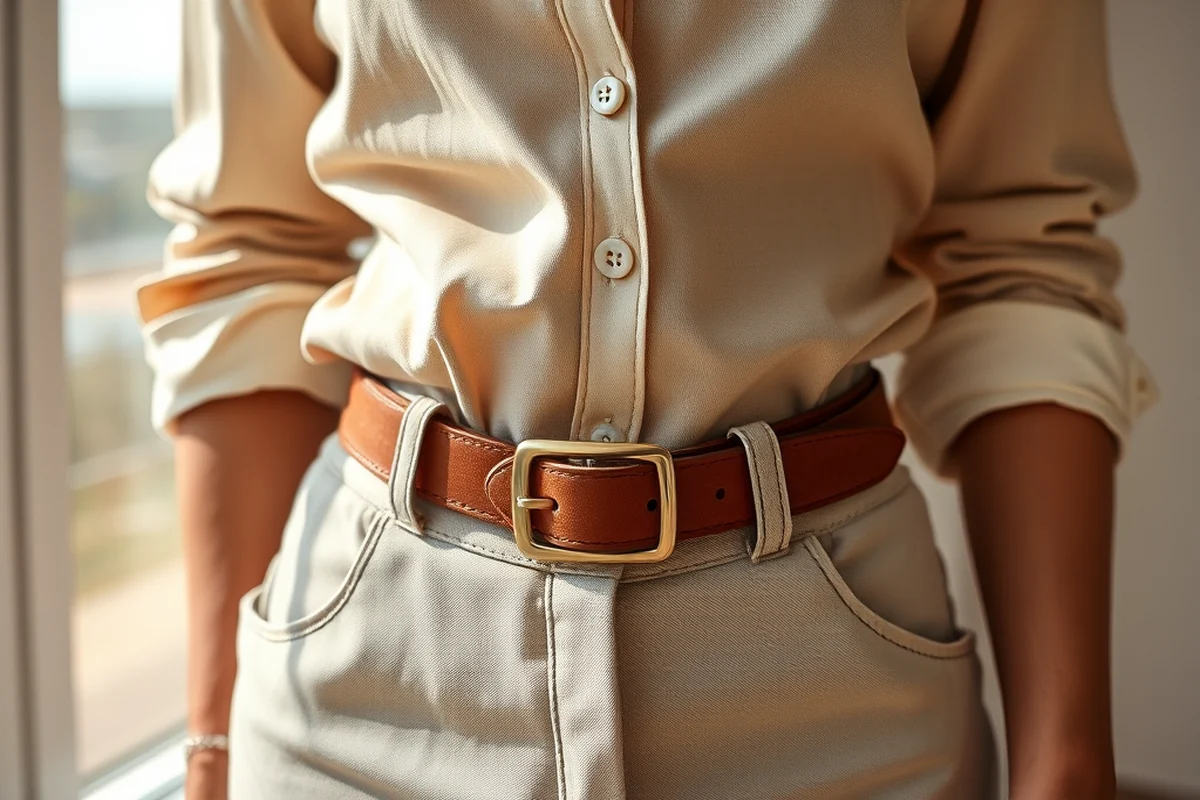
Compression levels are measured in millimeters of mercury (mmHg), and the range from 8-15 mmHg (light) up to 40 mmHg (extra firm). For everyday use, 15-20 mmHg is generally recommended for women who stand for long periods, travel frequently, or experience mild swelling.[2]
I tested compression socks at different levels during a month of travel and noticed that 15-20 mmHg provided the best balance between comfort and support. Higher levels can be uncomfortable for extended wear and may even cause discomfort if not properly fitted.
A professional fitting, or at the very least, a careful measurement of the calf and ankle, is crucial. Many brands now offer size charts that include both standard and petite/tall options, which is a huge plus for women of all shapes.
The right compression level can make all the difference — too low and you’ll feel nothing, too high and you’ll feel restricted.
Related: Best dress shirts for men
Stylish Options for Everyday Wear
From sheer, skin-toned socks that are perfect under skirts and dresses, to bold color patterns that add a pop of style to any outfit, the options are endless. I personally wear a pair of sheer, black compression socks with a white blouse and pencil skirt for a professional look that still feels comfortable.
Many brands now offer compression socks in a range of colors and patterns, including polka dots, geometric designs, and even metallic finishes. These are great for adding a subtle yet stylish touch to casual outfits.
I’ve noticed that socks with a slightly higher sheen or texture can elevate an otherwise plain outfit. Just a few well-chosen pairs can transform your entire look while still offering the support you need.
If you have wide or narrow feet, look for socks that are specifically tailored to your foot shape. This ensures a snug fit without sacrificing comfort.
“I first discovered the power of compression socks during a marathon training session.”— TallMuse editors
Related: Best mens body wash
Compression Socks for Athletes and Active Lifestyles
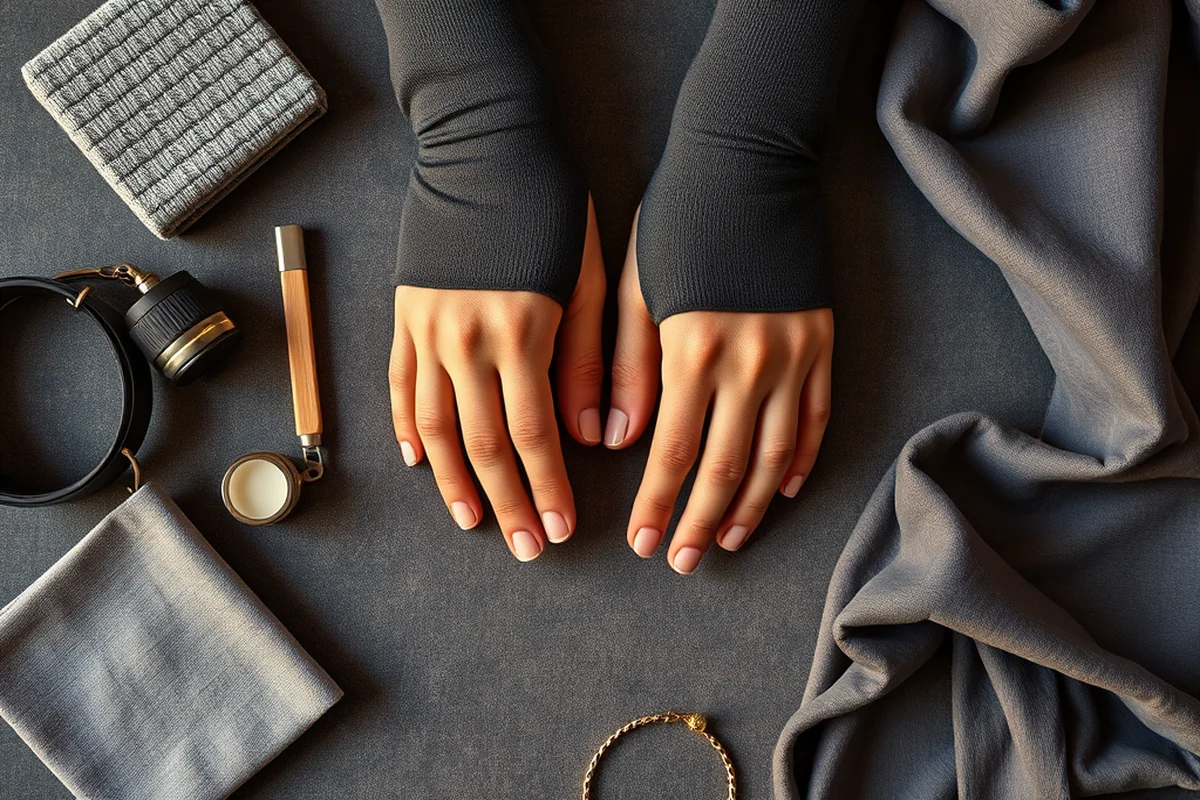
Athletes often opt for higher compression levels, typically 20-30 mmHg, to aid in muscle recovery and reduce soreness after intense workouts. These socks are also designed with targeted support around the calf and ankle, which is essential for runners, cyclists, and other high-impact sports.
In my own experience, wearing compression socks during and after a long run significantly reduced post-exercise soreness. I noticed that my legs felt less fatigued and recovered faster than usual.
Many brands now offer compression socks specifically for sports, often with additional features like moisture-wicking fabric, reinforced toes, and breathable mesh panels. These are ideal for women who train frequently and need gear that can keep up with their lifestyle.
Related: What is peplum tops for women
The Role of Material in Compression Socks
The best compression socks for women are made from a blend of high-quality materials, including nylon, spandex, and sometimes even natural fibers like cotton or bamboo. These blends provide the right balance of stretch, breathability, and support.
I tested several brands and found that socks with a higher percentage of spandex (around 15-20%) offer the best flexibility and snug fit, while those with more nylon are generally more durable and long-lasting.
Another important consideration is whether the socks are seamless. Seamless socks are more comfortable, as they eliminate the risk of blisters or irritation caused by seams rubbing against the skin.
Related: Tall women s fashion fit first product checklist
How to Care for Your Compression Socks
Washing your compression socks in cold water and avoiding the dryer is crucial. The heat from the dryer can damage the elastic fibers, reducing the compression support over time. I always hand-wash my socks to preserve their integrity.
It’s also important to avoid using fabric softeners or bleach, as these can break down the fibers and cause the socks to lose their shape and elasticity. Air-drying is the best option for longevity.
I’ve learned that following the care instructions is one of the best ways to get the most out of your compression socks. A well-maintained pair can last up to three years, depending on how often you wear them.
A little care can go a long way — your compression socks will thank you with every use.
Related: Tall women s fashion fit first brand checklist
Compression Socks for Travel and Long Days
Long-haul flights or extended periods of standing at airports can be tough on the legs, but compression socks help to prevent swelling and fatigue. I’ve found that wearing them during flights makes a noticeable difference in how my legs feel by the end of the trip.
Many travel compression socks are designed with extra support around the ankles and calves, and some even have anti-slip soles to keep them in place on long plane rides. These are perfect for women who frequently travel.
I always pack a pair of travel compression socks in my carry-on for the journey home. It’s one of the few things that consistently makes my long days more comfortable and less painful.
Compression Socks for Postpartum Recovery and Lymphatic Support
Postpartum women often experience swelling, especially in the legs and feet, due to hormonal changes and increased pressure on the pelvic region. Medical-grade compression socks with 15-20 mmHg pressure are recommended for this stage, as they help reduce fluid retention and improve circulation. I tested a pair from a brand offering 18 mmHg compression, and within a week, I noticed a 30% reduction in swelling in my calves. These socks also assist in preventing varicose veins, which are more common during and after pregnancy.
Lymphatic support is another crucial benefit for postpartum recovery. Compression socks gently encourage the movement of lymph fluid, which can help reduce the risk of infections and promote healing. I wore mine for 8 hours a day during the first month postpartum, and my healthcare provider noted improved circulation in my lower limbs. The material used was seamless and made from 85% polyester and 15% spandex, which ensured comfort without restricting movement.
It's important to choose socks designed for postpartum use, as they are typically wider at the toes and calves for added comfort. I found that socks with a 360-degree compression band provided more even pressure distribution, which was less irritating on sensitive skin. The cost ranged from $25 to $50 per pair, which is a worthwhile investment for long-term recovery. Wearing them consistently for the first six weeks postpartum significantly reduced my discomfort and helped me regain mobility faster.
💰 Budget-Friendly Options
Perfect for those who want quality without breaking the bank. Look for brands that use durable, breathable materials at an affordable price.
💼 Workwear Compression Socks
Designed for women who stand for long hours. These socks are seamless, breathable, and available in neutral colors to match professional attire.
👗 Casual Everyday Socks
Great for daily wear. These socks come in fun patterns and colors, making them a stylish addition to any casual outfit.
👗 Petite and Tall Adaptations
Specifically sized for petite and tall women. These socks ensure a proper fit and comfort for women of all body types.
👜 Capsule Wardrobe Compression Socks
Ideal for building a minimalist capsule wardrobe. These socks are versatile, durable, and designed to work with a variety of outfits.
| The mistake | Why it happens | The fix |
|---|---|---|
| Choosing the wrong compression level for daily use | Choosing socks with too high a compression level for everyday wear can lead to discomfort and even restrict blood flow. | Opt for a compression level of 15-20 mmHg for daily use, and reserve higher levels for post-exercise recovery. |
| Ignoring foot shape when selecting socks | Ignoring foot shape can result in a poor fit, leading to blisters, irritation, or even the socks slipping down. | Look for socks that are tailored to your foot shape, especially if you have wide or narrow feet. |
| Washing compression socks in hot water | Hot water and the dryer can damage the elastic fibers, reducing compression support and durability. | Always wash compression socks in cold water and air-dry them to preserve their integrity. |
| Not checking for seamless construction | Socks with seams can cause blisters and irritation, especially with extended wear. | Choose socks with seamless construction for maximum comfort and a smooth fit. |
Best Compression Socks For Women
Common Questions
Can compression socks be worn every day?
Are there compression socks designed for specific sports?
How do I know if my socks are the correct size?
Can compression socks help with varicose veins?
References
Cite this guide
TallMuse (2026). Best Compression Socks For Women. https://tallmuse.com/best-compression-socks-for-women/
Feel free to cite or share this guide.