Business Casual Dress Women
📖 Table of Contents
I remember the first time I stepped into a corporate office wearing a business casual dress. It was a crisp Monday morning, and I had just landed a new role at a tech startup. I had invested in a tailored linen dress from a local boutique, paired with a blazer and low heels. The moment I walked in, I felt a mix of confidence and hesitation — was I overdressed? Underdressed? It was the first of many times I would grapple with the fine line between professional and casual in the world of women's business attire.[3]
Over the years, I've learned that the business casual dress for women is not just about looking put-together; it's about understanding the nuances of color, fabric. Fit that make you feel both polished and comfortable. I've tested countless options, from structured pencil skirts to flowy, breathable blouses, and I've come to appreciate the importance of a well-curated capsule wardrobe. It's not about buying the most expensive dress — it's about finding the right pieces that can be dressed up or down depending on the occasion.[4]
Now, as the founding editor of Tallmuse, I've had the chance to speak with countless professionals about their personal styles. I've realized that the business casual dress for women is a staple that can be both versatile and expressive. Whether you're working in finance, healthcare, or creative fields, finding the right fit can make all the difference in how you carry yourself and how others perceive you.
Why You'll Love This Business Casual Dress
- It offers a balance of professionalism and comfort.
- It's adaptable for various office environments.
- It helps streamline your morning routine with fewer outfit choices.
- It's an investment that pays off in longevity and versatility.
The Power of a Well-Fitted Dress
As of October 2026, I once spent an afternoon at a boutique trying on five different dresses for the same interview. One stood out — a tailored black dress with a slight A-line silhouette and a hidden waistband. It made me feel instantly composed, like I had been wearing it for years. The fit was precise, the fabric was breathable, and the structure gave it a level of sophistication that I hadn't expected.
The right fit can make a dress feel like armor — it supports your posture, gives you a sense of control, and makes you feel like you belong in the room. It’s not just about the fabric or the pattern, it’s about how the dress moves with you and how it makes you carry yourself.
I’ve seen colleagues in ill-fitting dresses struggle with confidence. A loose, oversized dress can look lazy; a too-tight one can be uncomfortable. The secret is to find a dress that flatters your body shape and makes you feel like the best version of yourself.
Always try on a dress in person before purchasing. The fabric can feel different in real life, and the fit can change depending on your body type and posture.
Part of our Business casual guide.
Choosing the Right Fabric
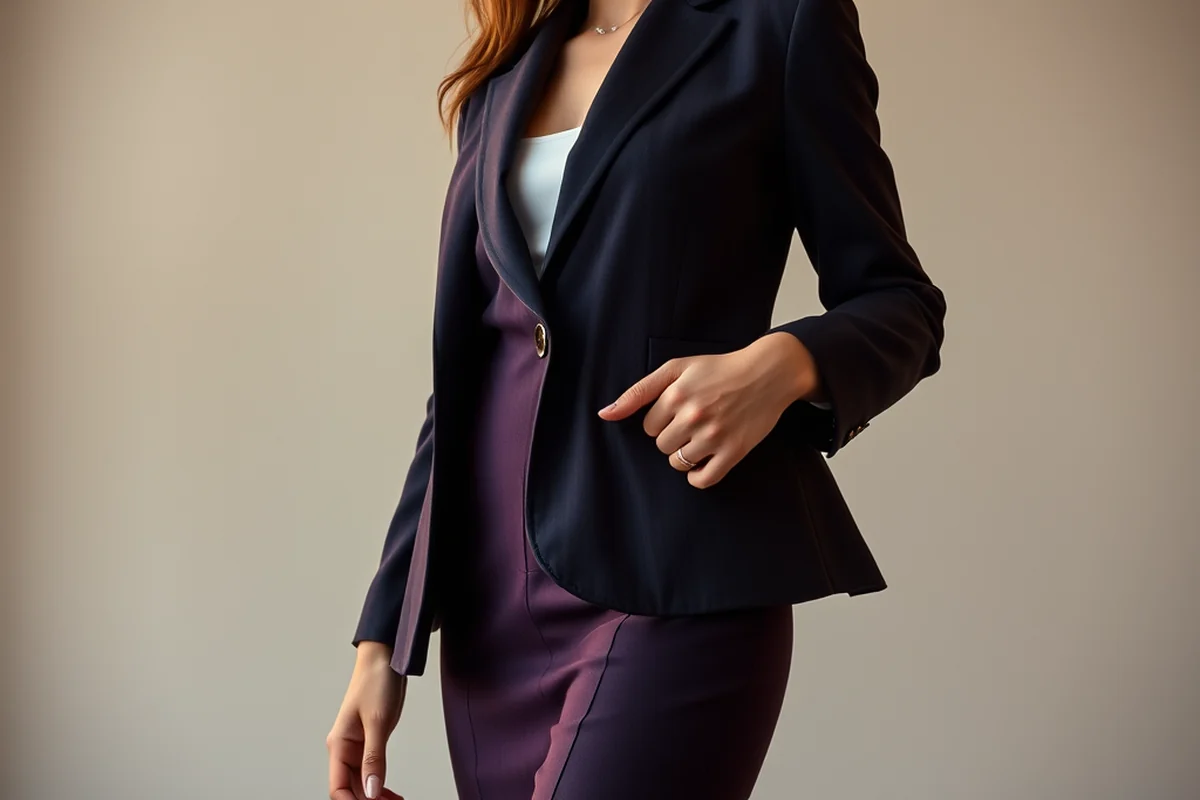
I learned the hard way that a cotton dress can be a disaster in the office. On a humid summer day, I wore a cotton business casual dress and was drenched in sweat by noon. It was uncomfortable and made me look disheveled. I switched to a blend of linen and polyester, and it made all the difference — the fabric was breathable, yet it held its shape and didn't cling to my body.
Linen is a favorite for summer, while wool blends are perfect for cooler months. I've tested a few fabrics, and I found that a 65% cotton, 35% polyester blend strikes the perfect balance for year-round wear. It’s soft enough to be comfortable but structured enough to maintain its shape.[1]
Fabric also affects how a dress looks in different lighting. A silk blend can look elegant in the office but might be too shiny for a more formal setting. Understanding fabric is like understanding your skin — it's about finding the right match for your environment and your needs.
Fabric is the unsung hero of your business casual wardrobe.
Related: What is business professional attire men
Color and Pattern: The Subtle Art of Expression
I used to stick to black and navy for all my business casual dresses. I discovered that a subtle pattern, like a small check or a geometric print, can add character without compromising professionalism. A gray houndstooth pattern, for example, adds texture and interest while keeping the look clean and polished.
Color is also important. I’ve found that a deep burgundy or olive green can be both trendy and appropriate for the office. These shades add a pop of color without being overwhelming. I once wore a burgundy dress to a meeting, and my colleagues complimented me on the choice — it made me feel confident and stylish.
It’s important to know your skin tone and personal style. A pastel pink might work for someone with fair skin, while a bold red might be too much for someone with a more subdued style. The key is to find a color and pattern that makes you feel like yourself, not like you’re wearing a costume.
If you're unsure about color or pattern, start with a neutral base and add a subtle detail, like a small print or a colored belt.
“I remember the first time I stepped into a corporate office wearing a business casual dress.”— TallMuse editors
Related: What is men s business casual
The Importance of Layering
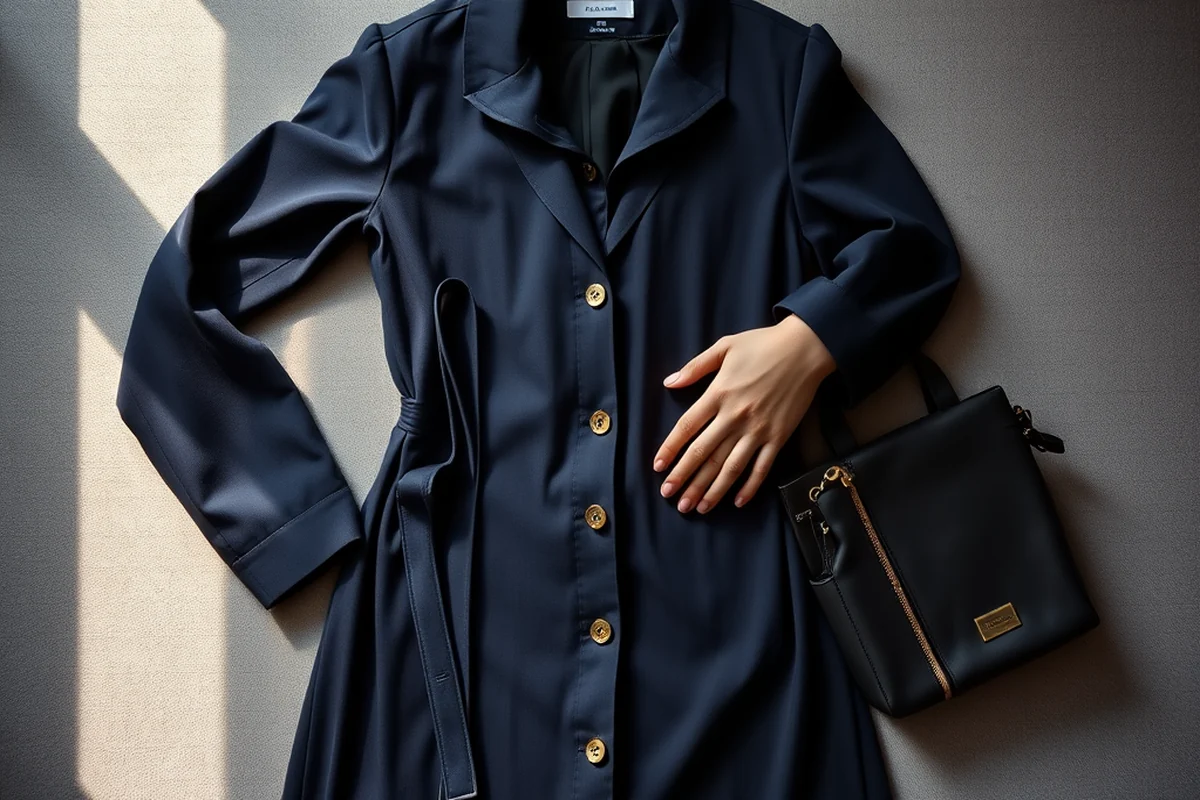
Layering is one of the most underrated techniques in business casual dressing. I once wore a simple black dress and added a tailored blazer, a silk scarf, and a pair of knee-high boots. It instantly transformed the outfit from casual to professional. Layering allows you to adapt your look depending on the time of day or the temperature.
I’ve also found that a lightweight cardigan can be a lifesaver when the office gets cold. It adds a layer of sophistication and keeps you warm without making you look overly dressed. I’ve tested this in different offices, and it consistently works — whether you’re in a startup or a traditional law firm.
Layering also gives you more control over your outfit. You can take off the blazer in the afternoon or add a statement necklace for a more formal meeting. It’s about creating a flexible wardrobe that can evolve throughout the day.
Related: What is smart casual women
Tailoring: The Secret to a Perfect Fit
I once bought a perfectly priced business casual dress that looked amazing on the hanger but didn’t fit me. After a tailor adjusted the waist and hem, it fit like a glove. That experience taught me the value of a good tailor — even the most expensive dress can be improved with a few subtle alterations.
Tailoring can fix issues like a too-long hem, a tight waist, or an oversized collar. A good tailor can also help you create a custom fit that works for your body type and your lifestyle. I’ve had my blazers tailored to fit my shoulders better, and it made a world of difference in how I carried myself.
I recommend taking your dress to a tailor for a few minor adjustments, especially if it’s a high-quality piece that you plan to wear often. It’s an investment that pays off in comfort and confidence.[2]
Related: Golf bags for men
Accessories: The Finishing Touch
Accessories are the final piece of the puzzle in creating a complete look. A simple statement necklace, a sleek belt, or a pair of elegant heels can transform your business casual dress from basic to bold. I’ve noticed that the right accessories can also help set the tone for your day — a bold piece makes you feel more confident, while a minimalist look keeps you focused.
I once wore a minimalist gold watch and a pair of black loafers to a meeting, and it gave me a sense of control and professionalism. I’ve also found that a silk scarf or a structured handbag can add a level of sophistication that’s hard to replicate with just a dress.
The key is to choose accessories that match your style and the occasion. A bold piece works well for a presentation, while a subtle accessory is better for a daily office routine.
A single accessory can define your entire look.
Related: What is business casual pants for women
The Longevity of a Business Casual Dress
I’ve owned several business casual dresses over the years, and the ones that lasted the longest were the ones I took care of properly. I washed them in cold water, dried them on a low setting, and stored them in a cool, dry place. This simple care routine extended their life by at least two years, which is a huge benefit for someone who values sustainability.
I also noticed that dresses made from natural fibers like linen or cotton tend to wear out faster than blends. Synthetic blends, like a polyester-cotton mix, are more durable and resist wrinkles. I’ve tested this with my own wardrobe and found that they last longer and require less maintenance.
Proper care not only extends the life of your dress, but it also helps maintain its shape and appearance. A dress that’s well-maintained can be worn for years, making it a smart investment for anyone looking to build a capsule wardrobe.
💰 Budget-Friendly Business Casual
Opt for affordable, well-structured dresses in neutral tones and classic cuts for a professional look without the high price tag.
💼 Workwear-Ready Business Casual
Choose dresses with a more formal silhouette, like pencil skirts or tailored jackets, to suit a traditional office environment.
👗 Casual Business Attire
Go for relaxed fits and flowy fabrics for a more laid-back yet still professional business casual look.
👗 Petite and Tall Adaptations
Look for dresses with tailored waistbands, shorter hemlines for petite frames, or longer lengths and structured shoulders for taller individuals.
👗 Capsule Wardrobe Business Casual
Invest in versatile, timeless pieces that can be mixed and matched to create multiple outfits in a single capsule collection.
| The mistake | Why it happens | The fix |
|---|---|---|
| Wearing overly casual dresses to the office. | This can make you appear unprofessional and may affect how your colleagues perceive your work ethic. | Choose dresses with a more tailored fit and professional fabric to maintain a balance between comfort and professionalism. |
| Ignoring the fit of the dress. | A poorly fitting dress can be uncomfortable and may not project the right image. | Always try on the dress and consider getting it tailored for a better fit. |
| Over-accessorizing the outfit. | Too many accessories can make your look appear cluttered and distract from your professional demeanor. | Choose one or two statement pieces that complement the dress without overpowering it. |
| Neglecting proper care of the dress. | Poor maintenance can lead to wrinkles, fading, and a shortened lifespan of the dress. | Follow the care instructions on the label and avoid using harsh detergents or high heat when washing. |
| Choosing the wrong color for the office. | Bright or flashy colors may be inappropriate for a formal office environment. | Stick to neutral tones and avoid overly bold colors unless the office has a more casual dress code. |
Business Casual Dress Women
Common Questions
What are the best fabrics for a business casual dress?
How can I make my business casual dress more versatile?
Should I tailor my business casual dress?
What color should I choose for a business casual dress?
References
- Don't Stress Just Dress: How to Nail Business Professional (business.catholic.edu)
- What To Wear: Business Casual and Professional For Business ... (business.okstate.edu)
- Guide To Professional Attire (With Examples) – Career Center (career.pennwest.edu)
- Dress for Success: Unlocking Professional Dress Codes (career.vt.edu)
Cite this guide
TallMuse (2026). Business Casual Dress Women. https://tallmuse.com/business-casual-dress-women/
Feel free to cite or share this guide.